Hidden Valley Easter Long Weekend - Trip Report
Eight walkers explored the historic mining country of Hidden Valley Ewan over Easter 2025, camping beside creeks, visiting restored batteries, wandering through abandoned settlements, and enjoying a unique three-day adventure on private land.
Dates: Friday 18 April 2025 to Sunday 20 April 2025
Leader: Luen Warneke
Participants: 8
With our original White Mountains trip postponed due to national park closures, eight of us switched gears and headed west for an Easter long weekend of history, bushland, old mining relics, and camping in the broader Hidden Valley area.
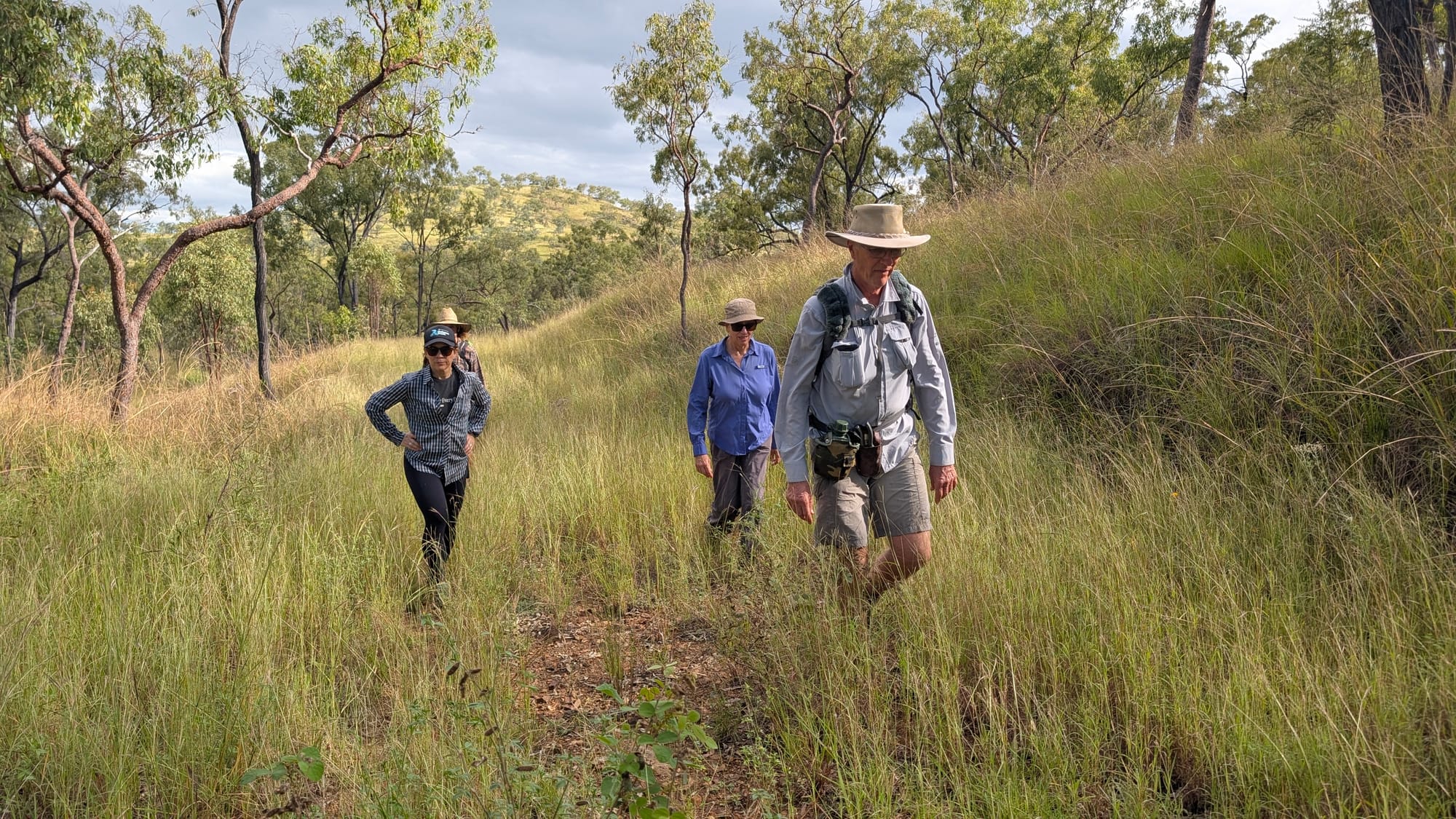
Because this trip involved dirt roads, creek crossings, and rough station tracks, vehicle choice mattered. We picked our cars carefully, making sure we had enough clearance to get where we needed to go, and then made our way out past the Hervey Range and on towards the Burdekin.
Day 1
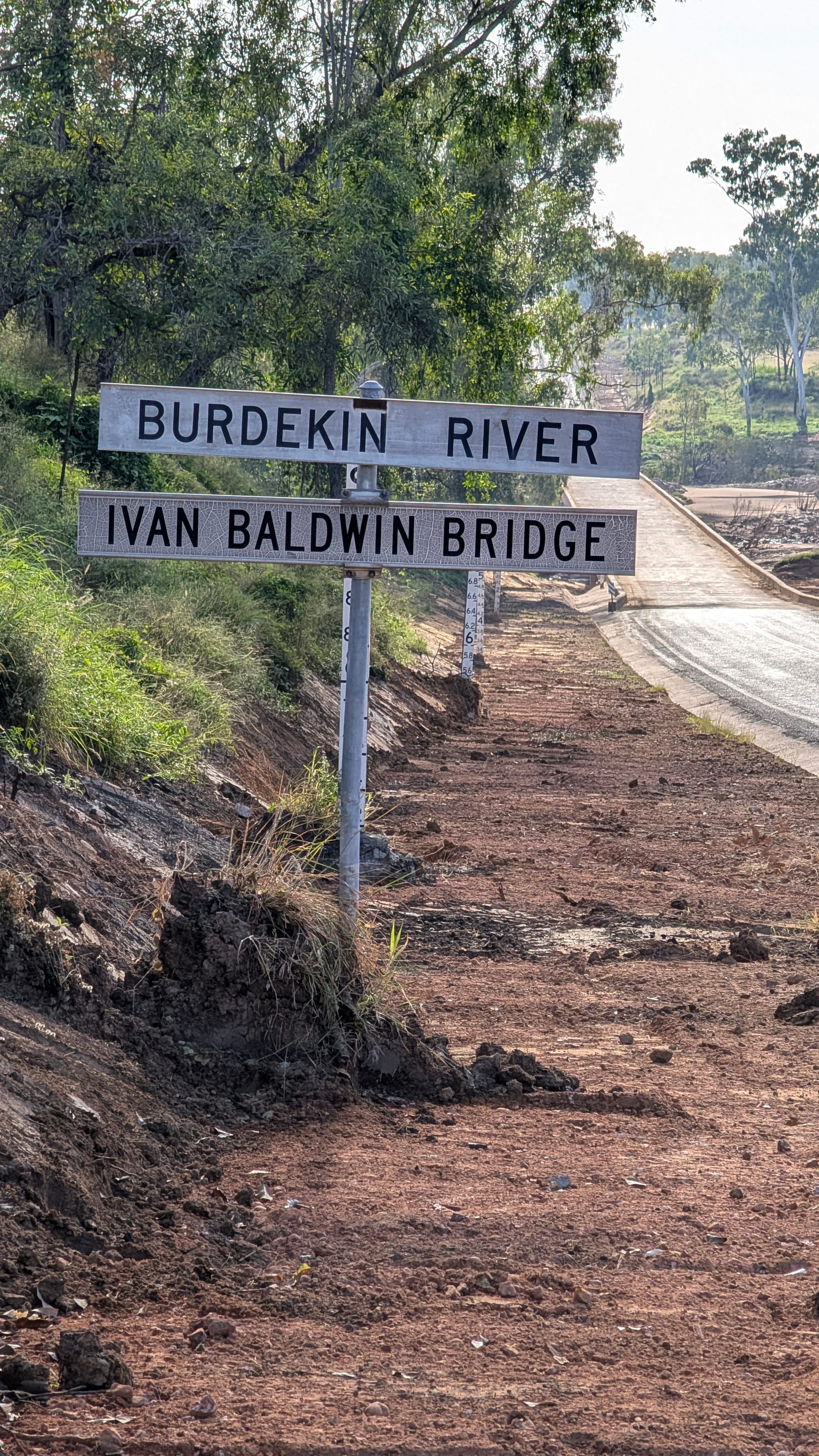
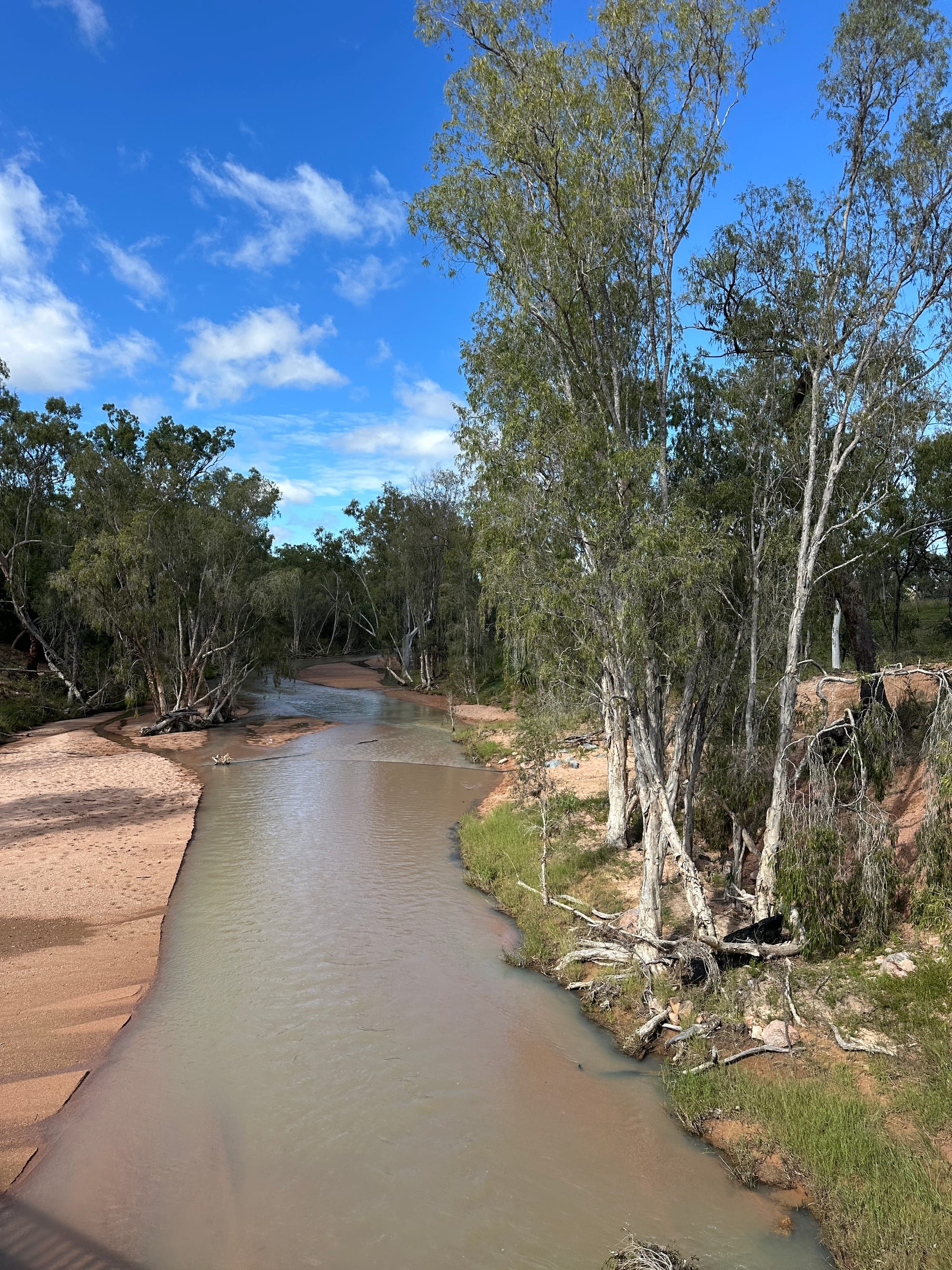
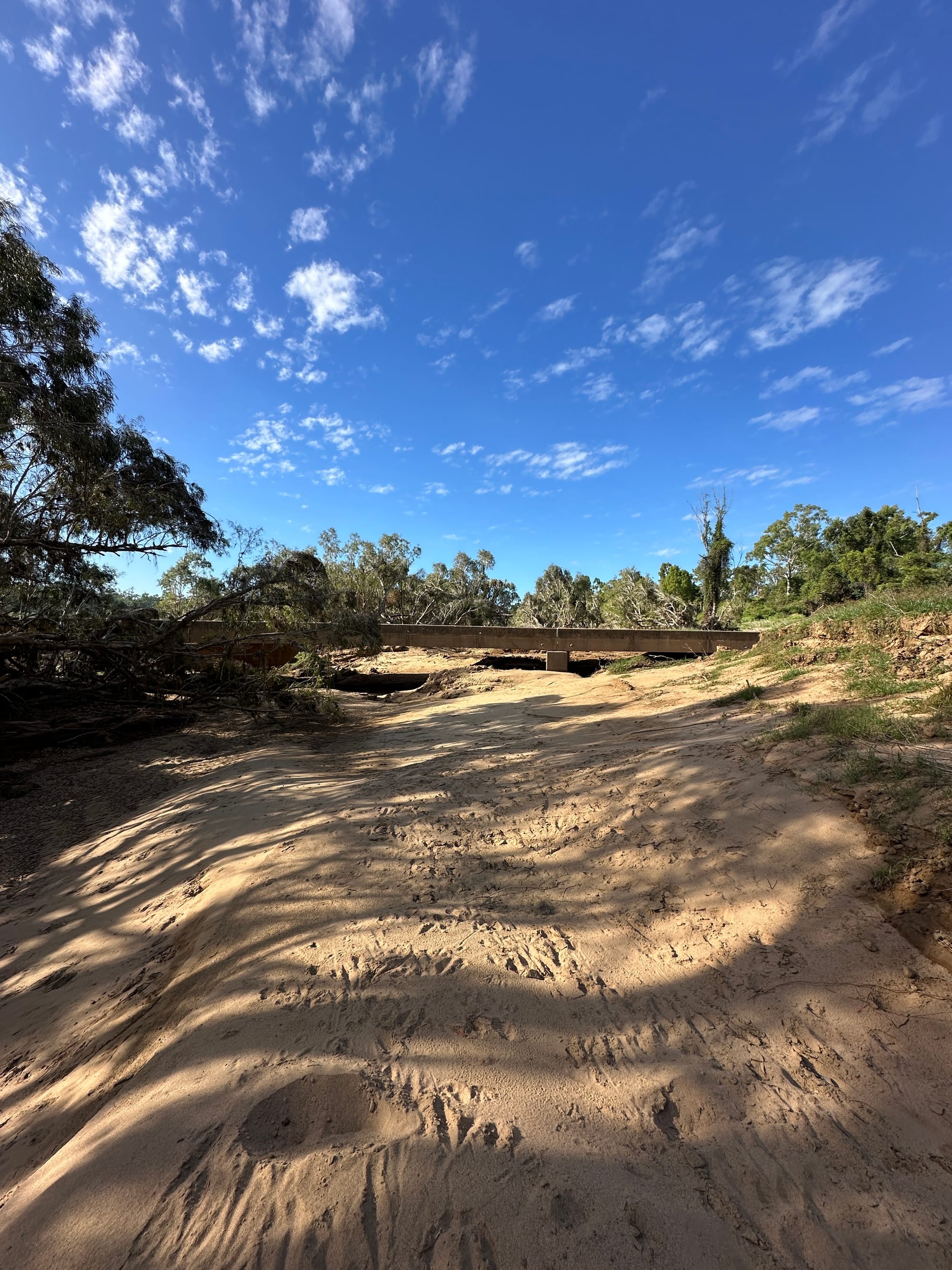
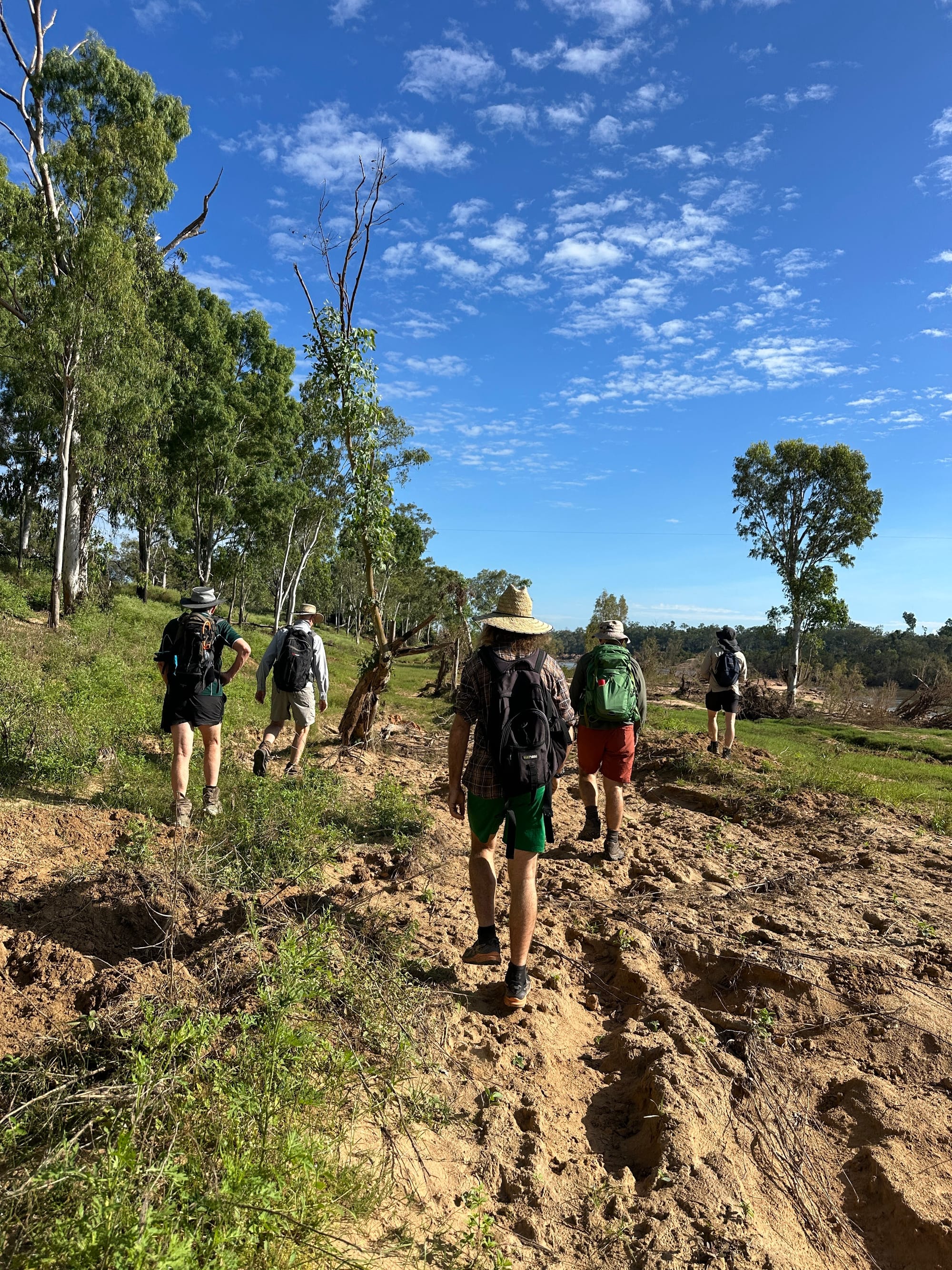
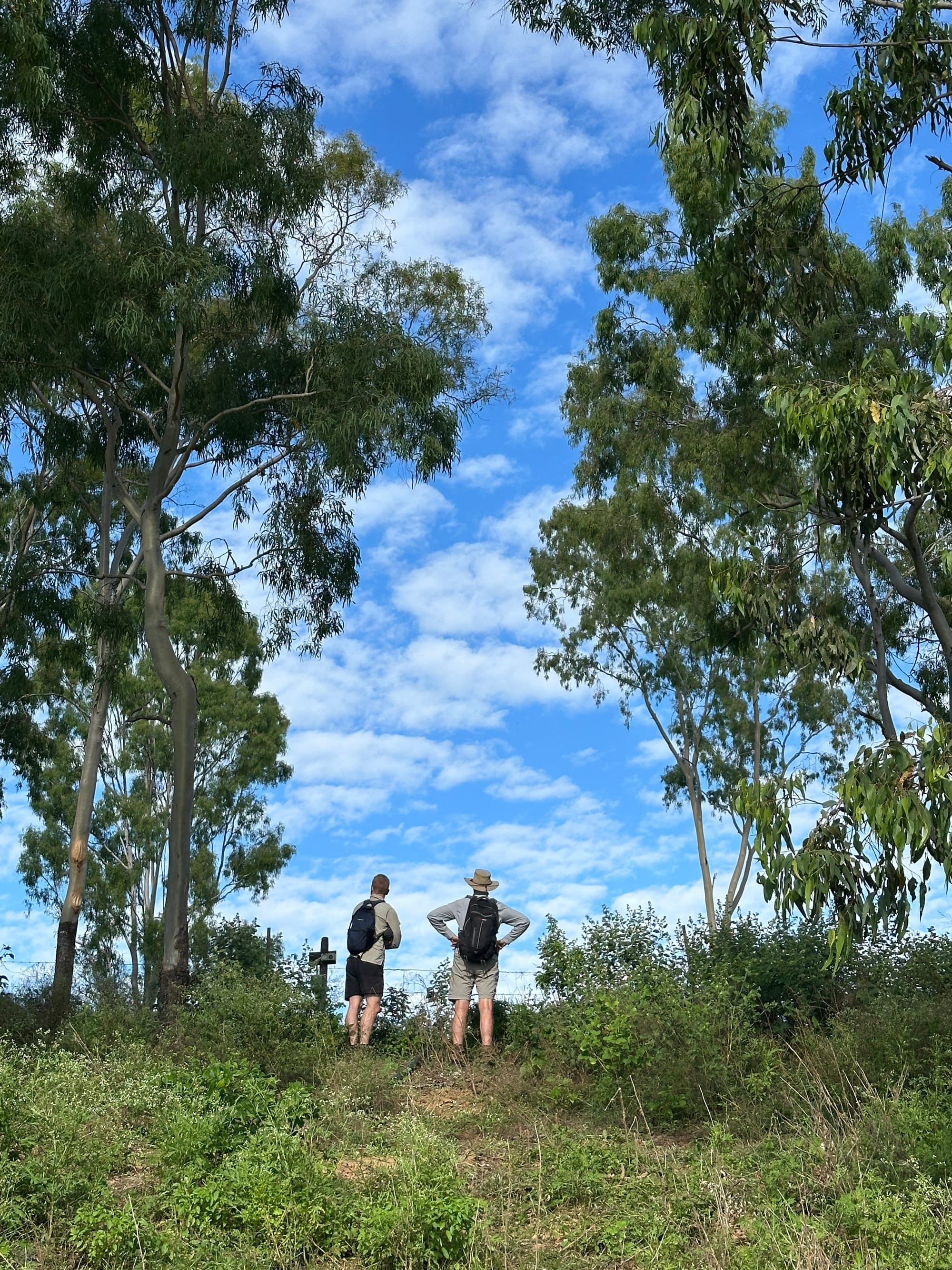
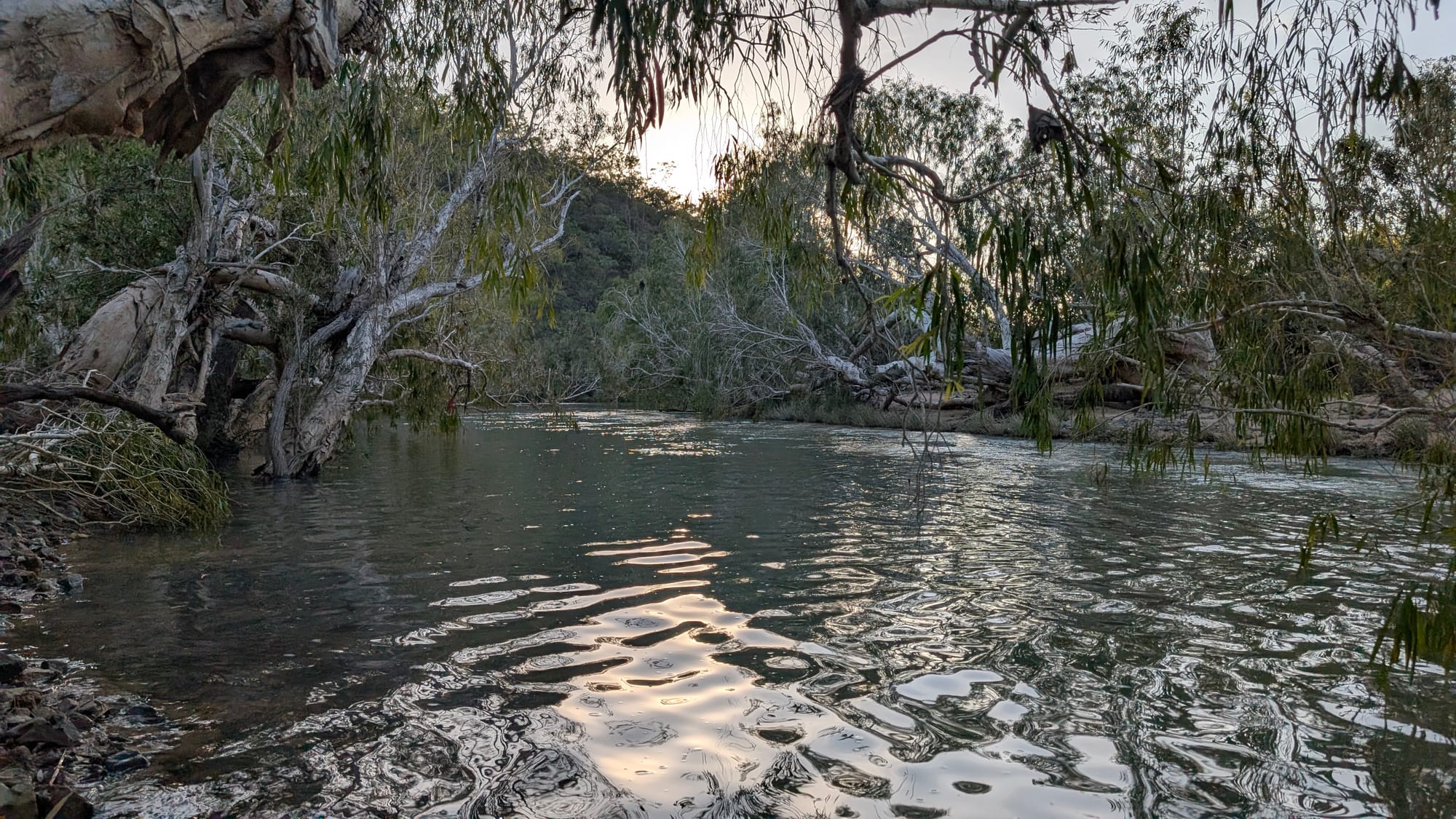
Our first stop was the old bridge crossing on the river, a place rumoured to be lined with rusty battery relics. Naturally, this sparked the curiosity of Luen and Wilfred, and we wandered along the sandy riverbed - the river still carrying a decent flow. Despite the rumours, we came up empty-handed - no batteries, no great relic discoveries, and no hidden treasure. Still, it was a good excuse to stretch the legs and start the weekend with a bit of exploration.
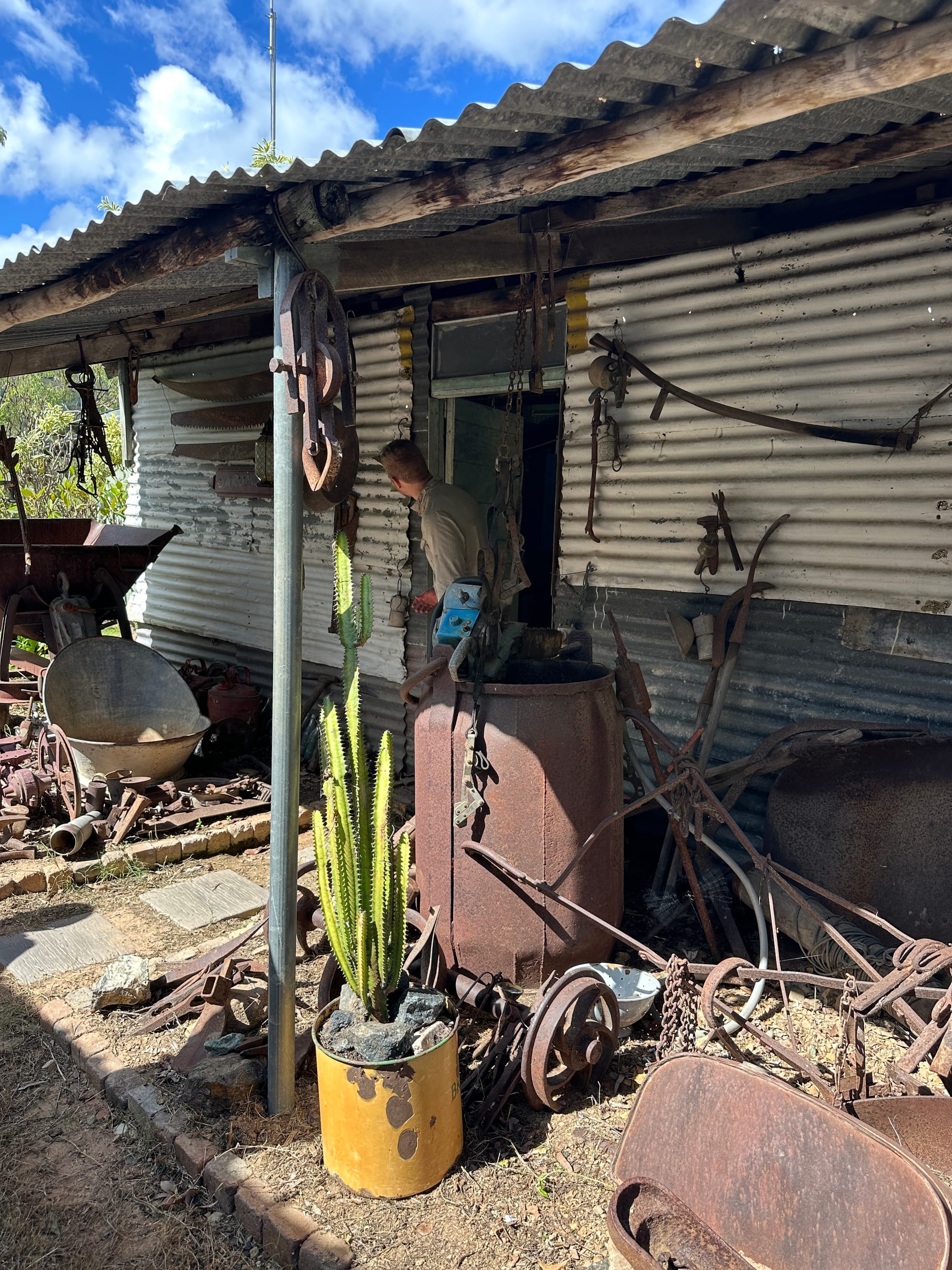
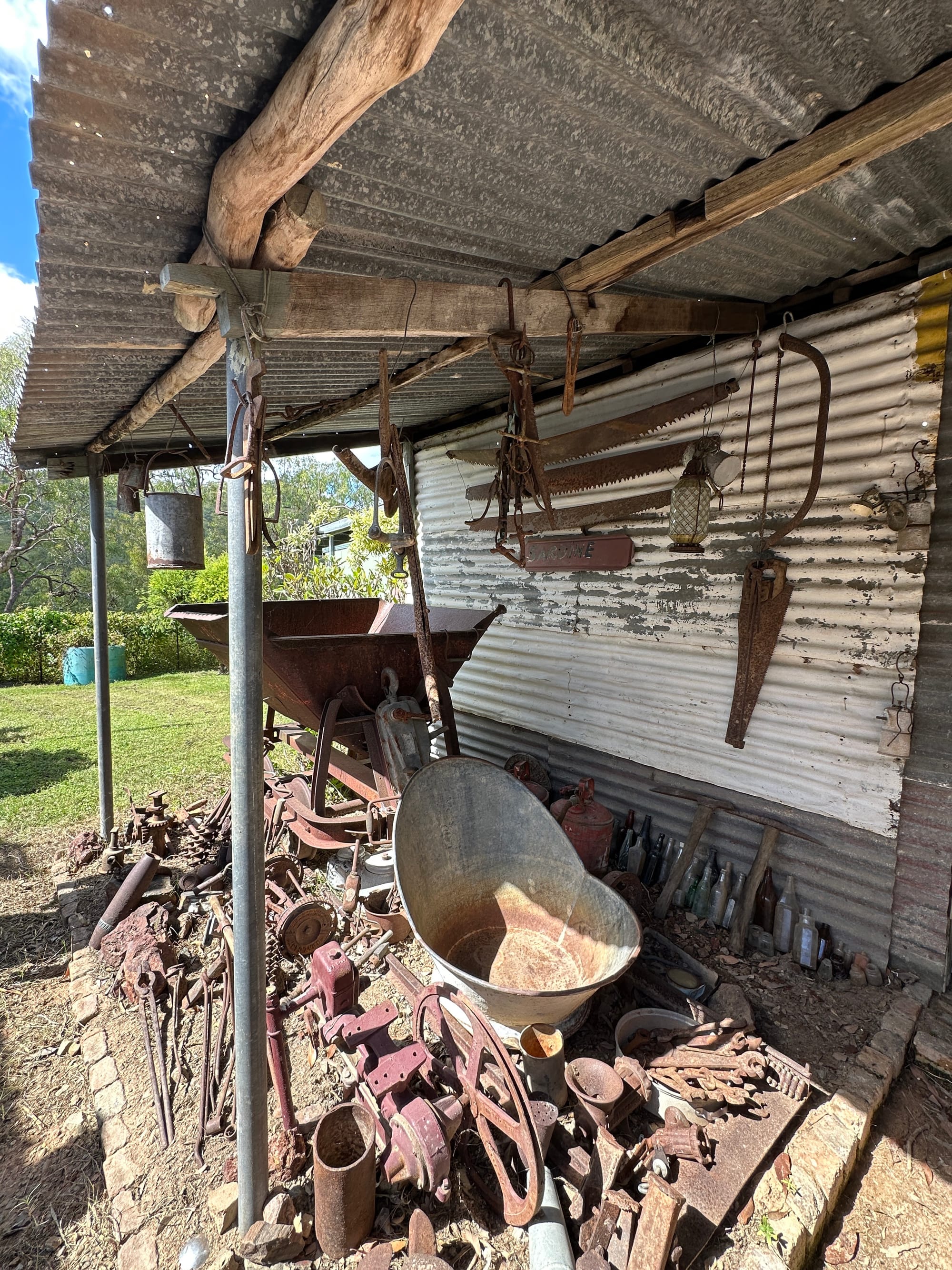
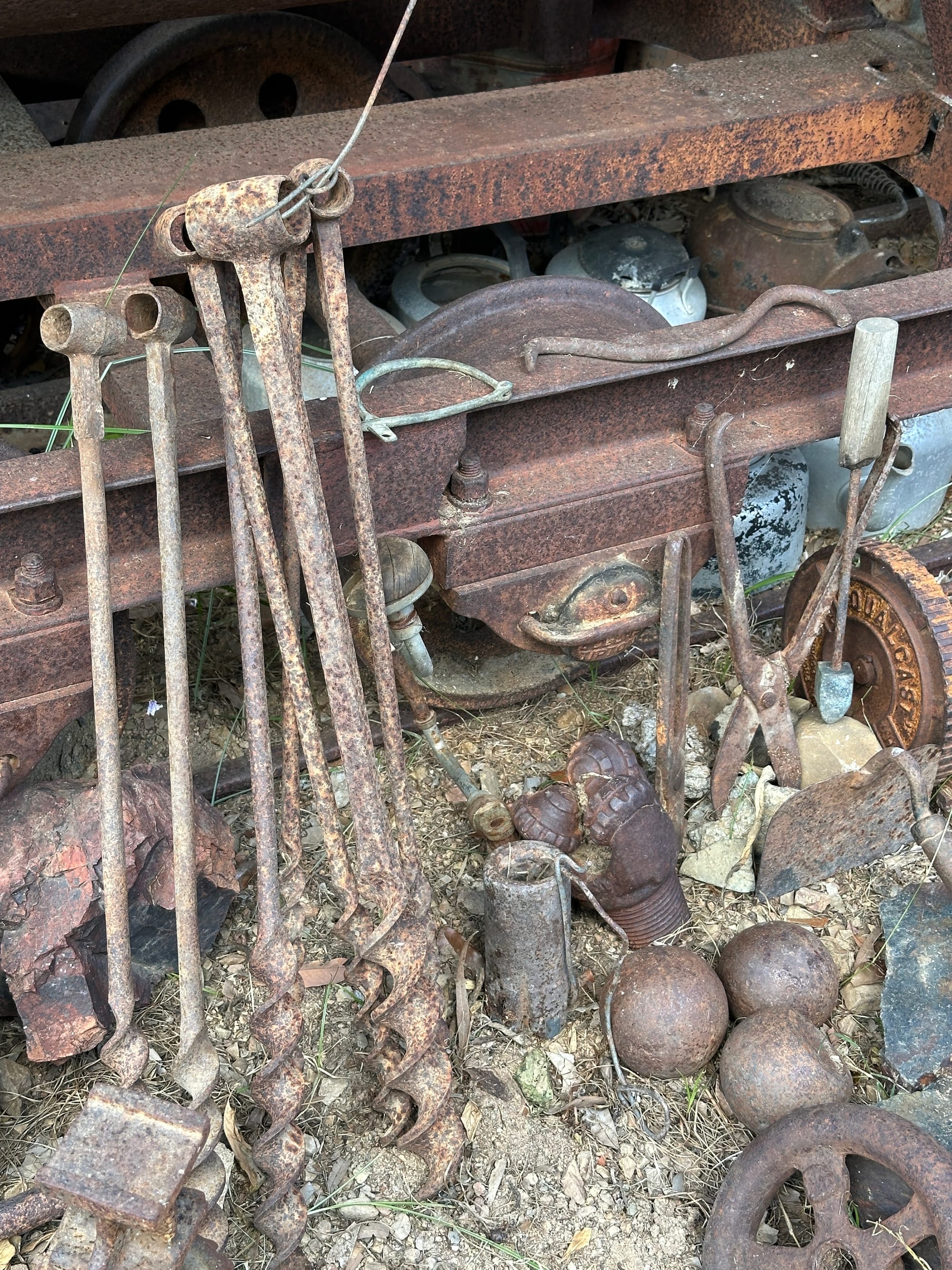
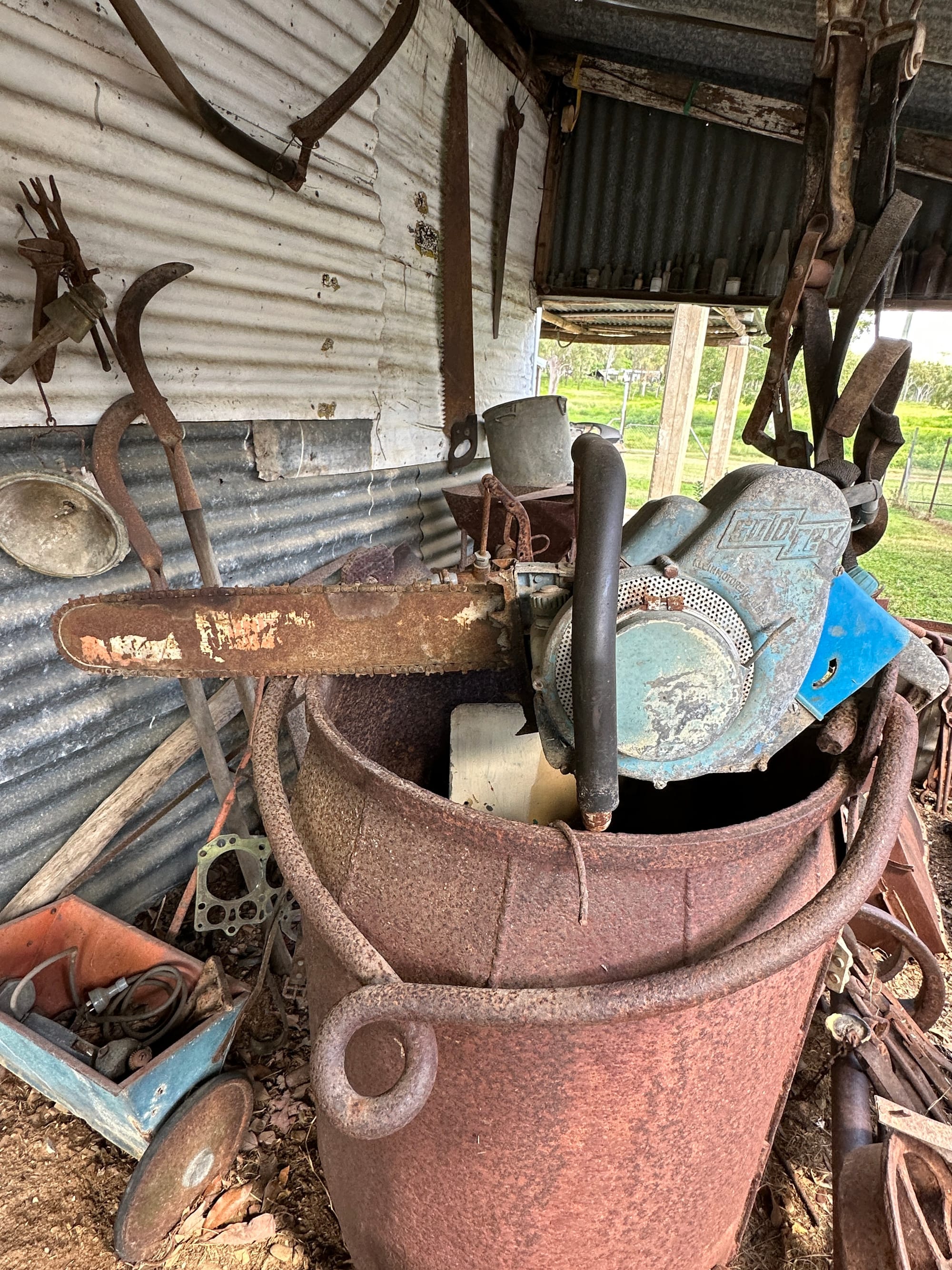
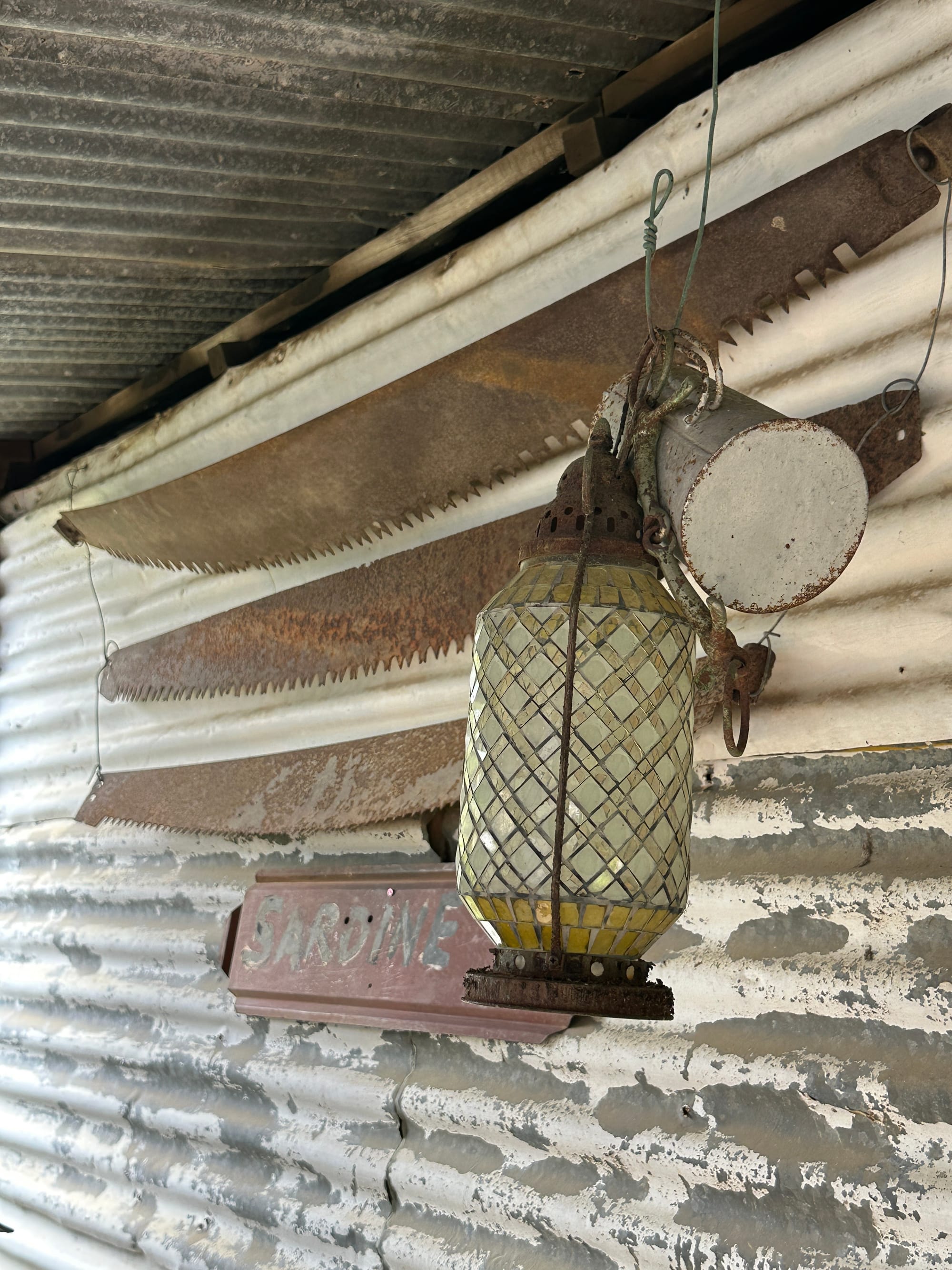
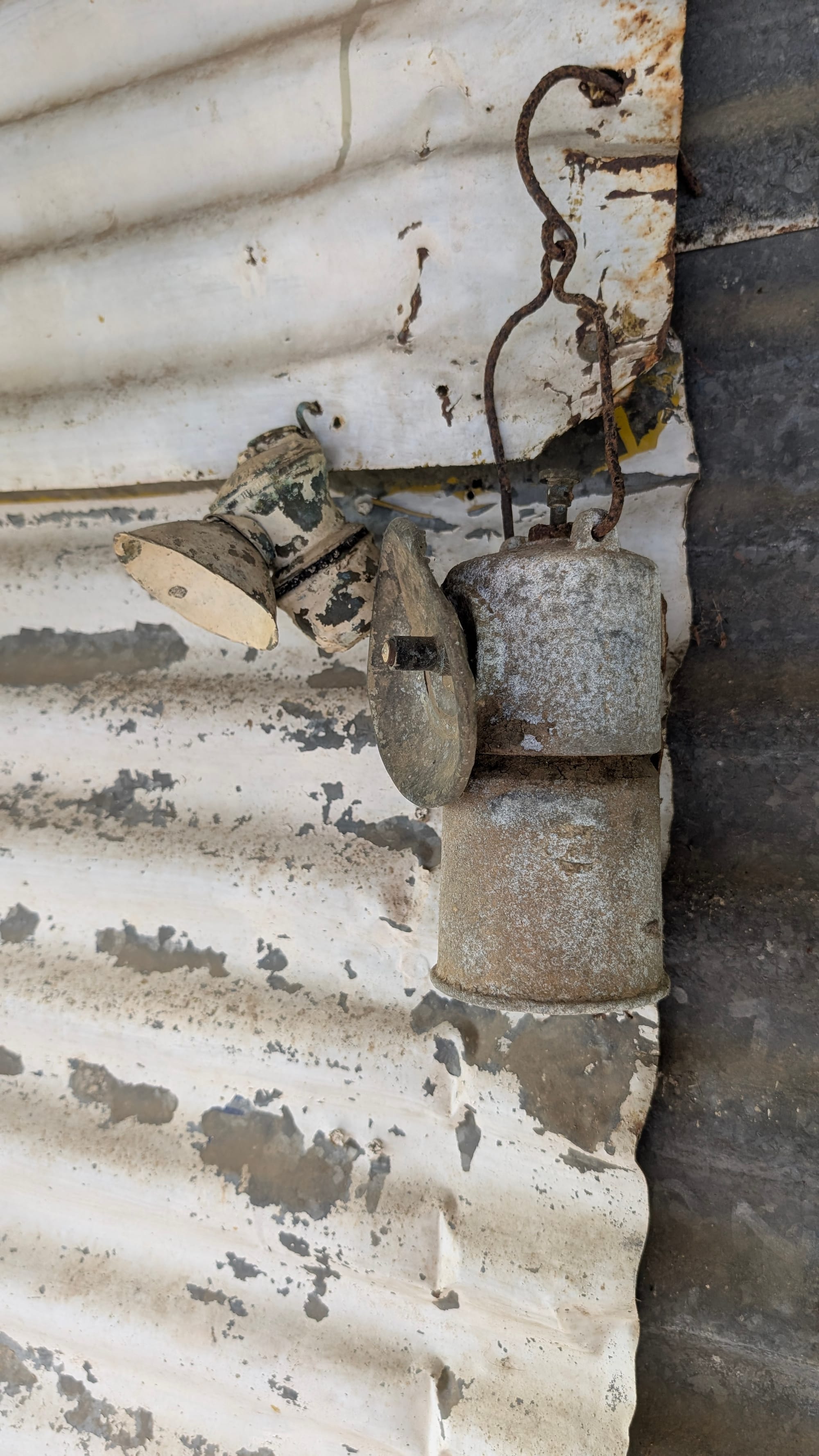
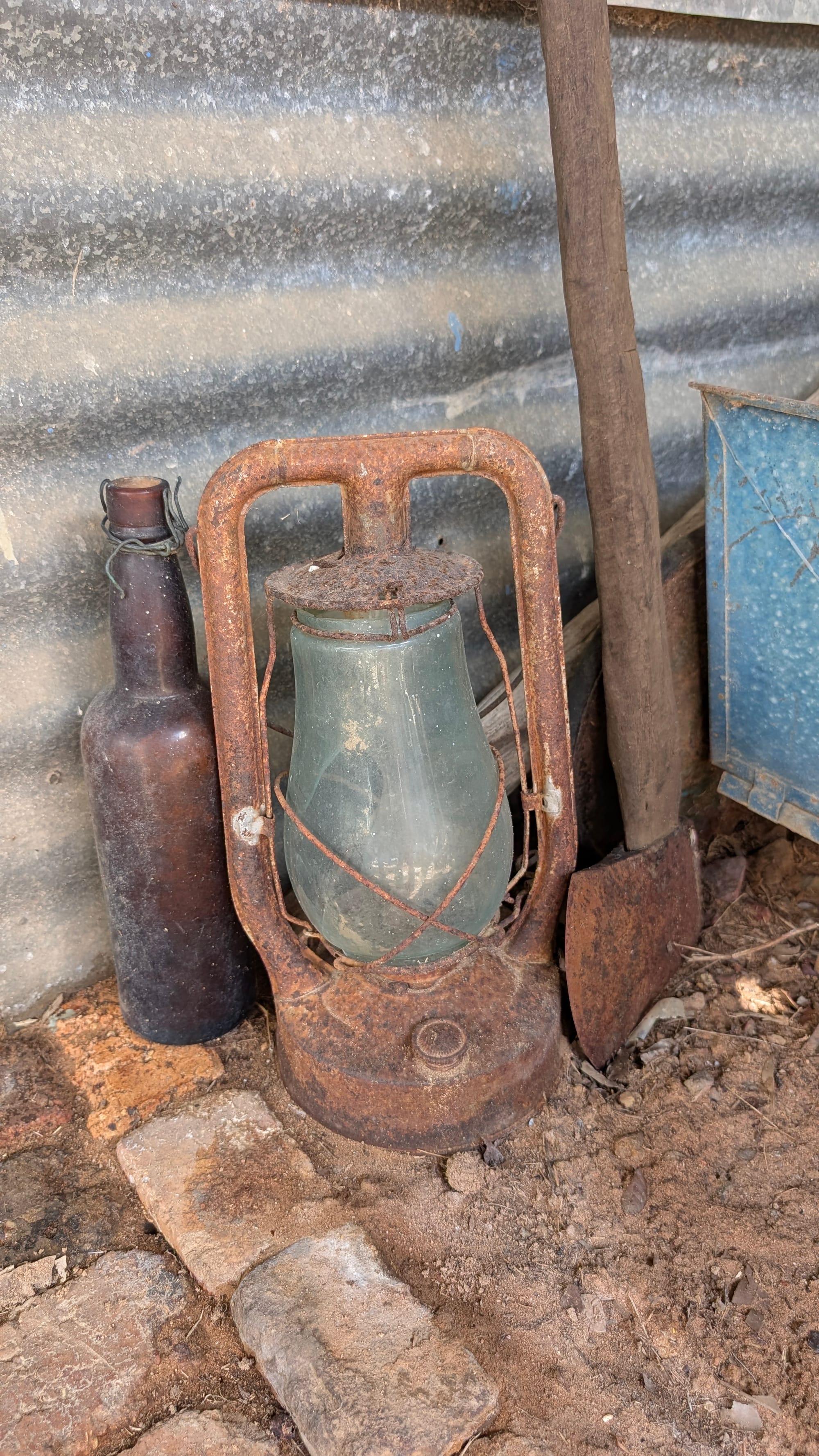
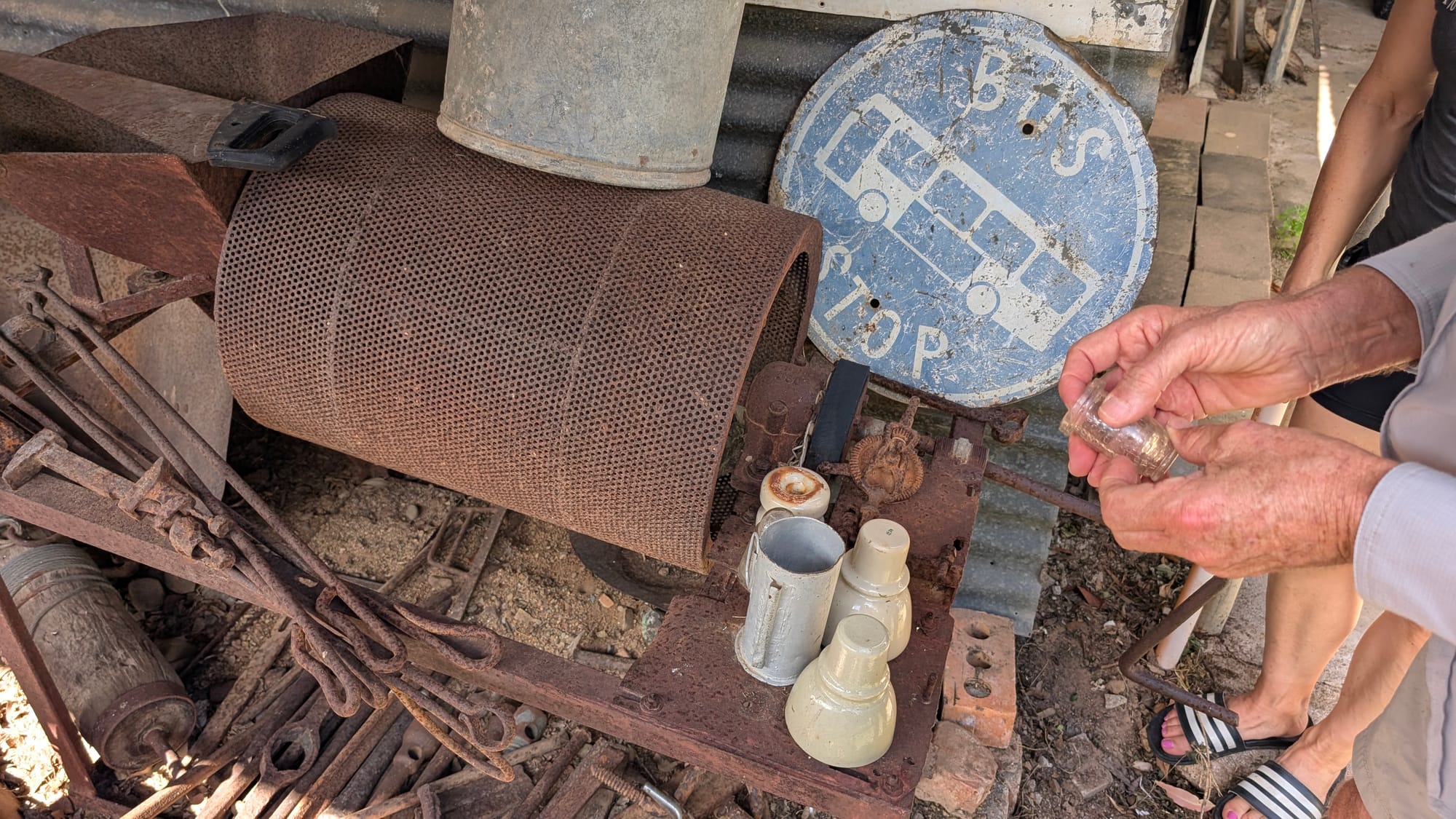
From there, we drove on to one of the private properties where we were warmly welcomed by the homestead owners. We had a chat and were lucky enough to have a look through their impressive collection of historical items gathered from the property over the years. There were old chainsaws, mining gear, glass bottles, and all sorts of relics that immediately set the tone for the weekend.
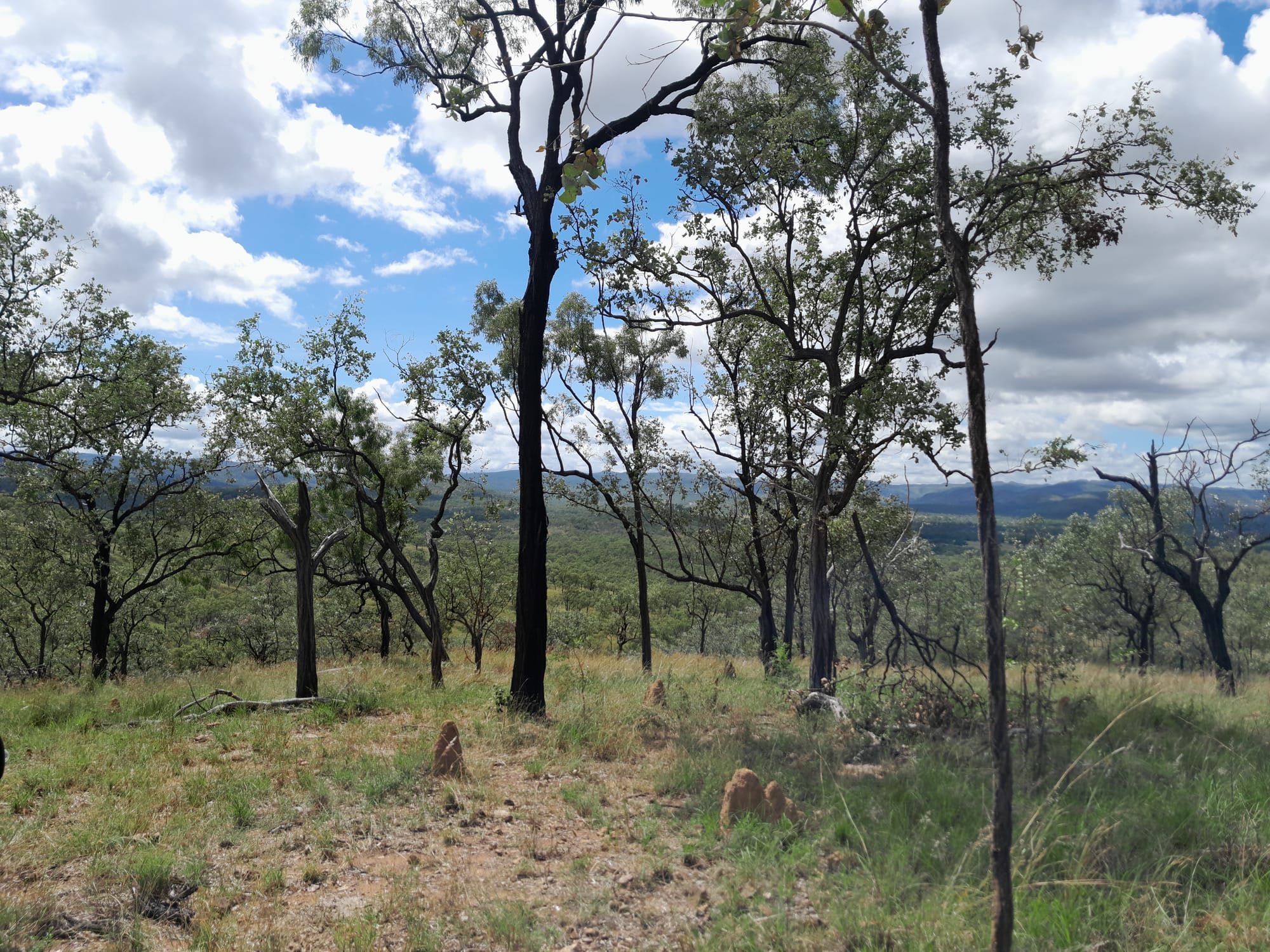
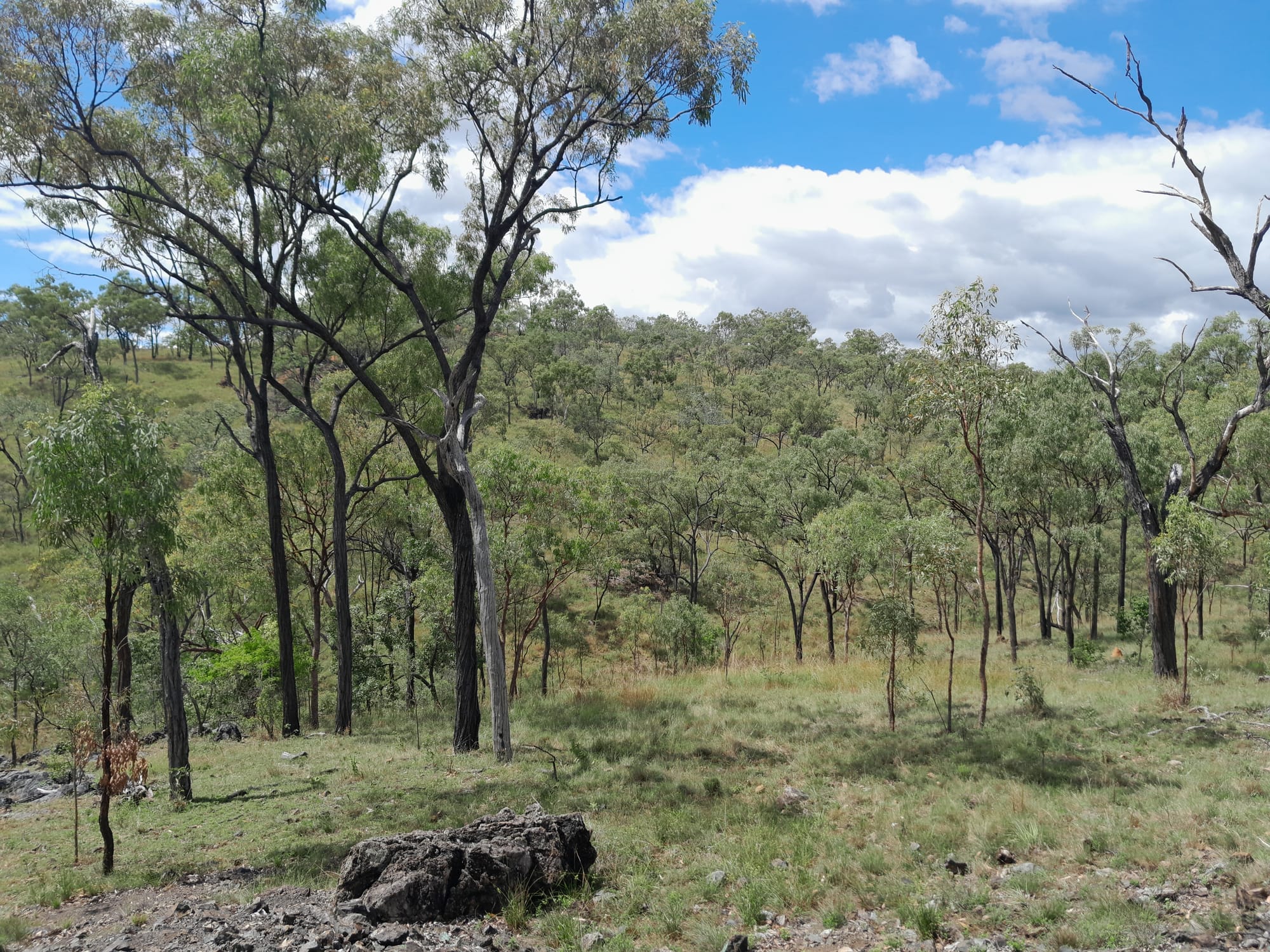
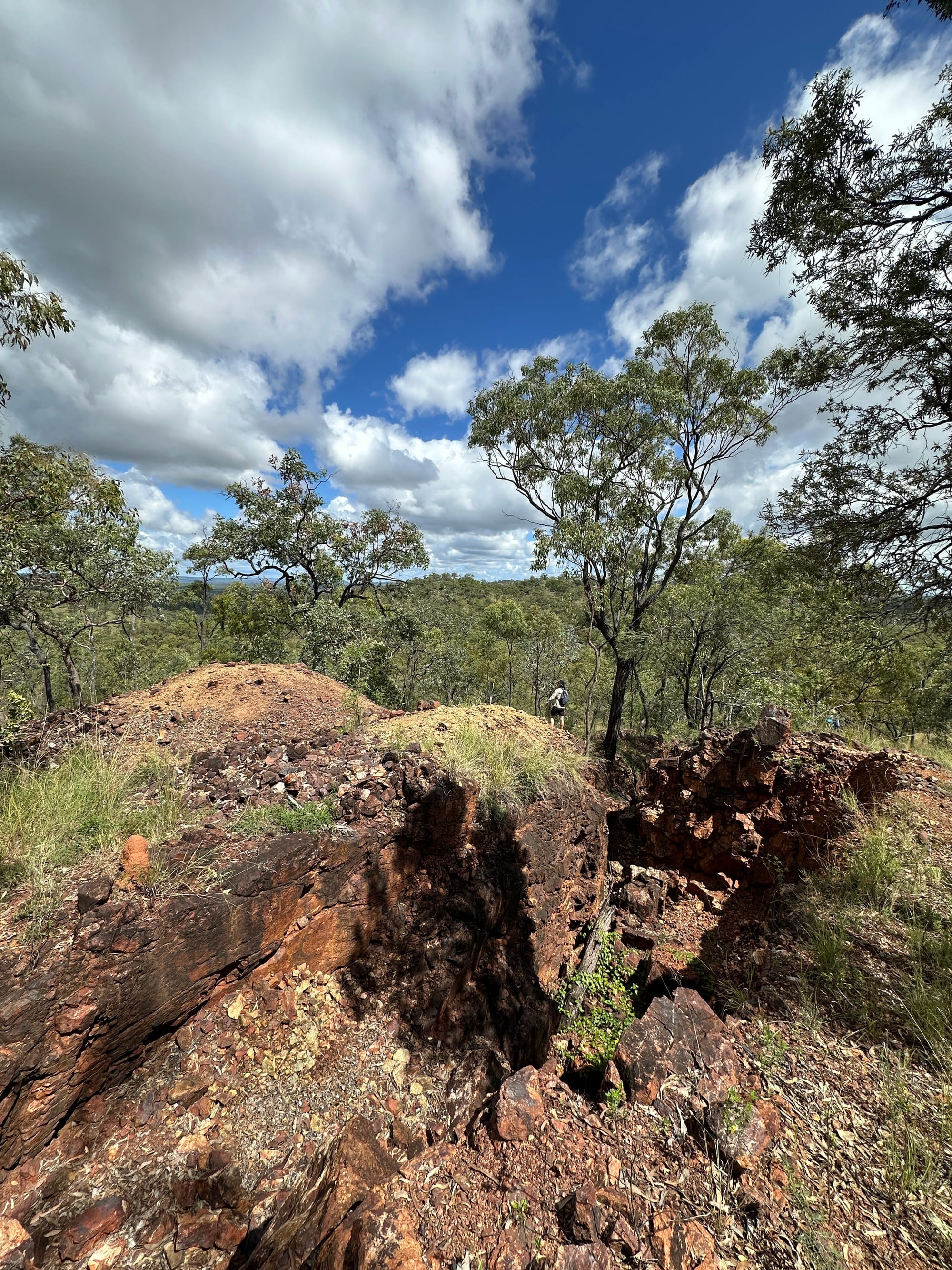
We then continued on to the first mine site high on a hill, where we enjoyed sweeping views across the country, explored the old workings, and stopped for lunch.
After that, we looped around towards a larger mining area and the historic battery site. On the way in, one of the small creek crossings proved a little awkward for our lowest-clearance vehicle, so out came the shovel and we did a touch of minor road maintenance to flatten the crossing enough to get everyone through safely.
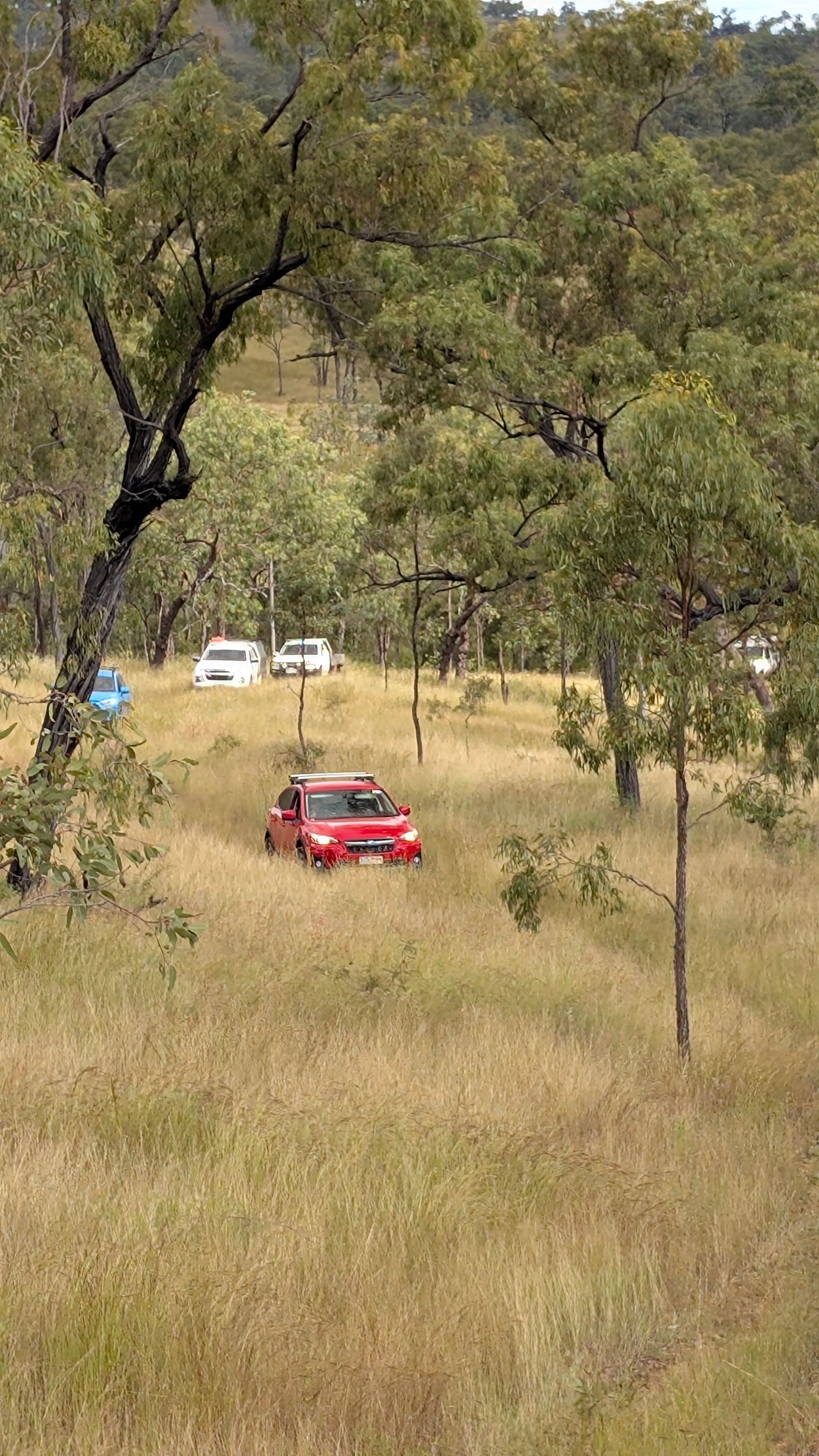
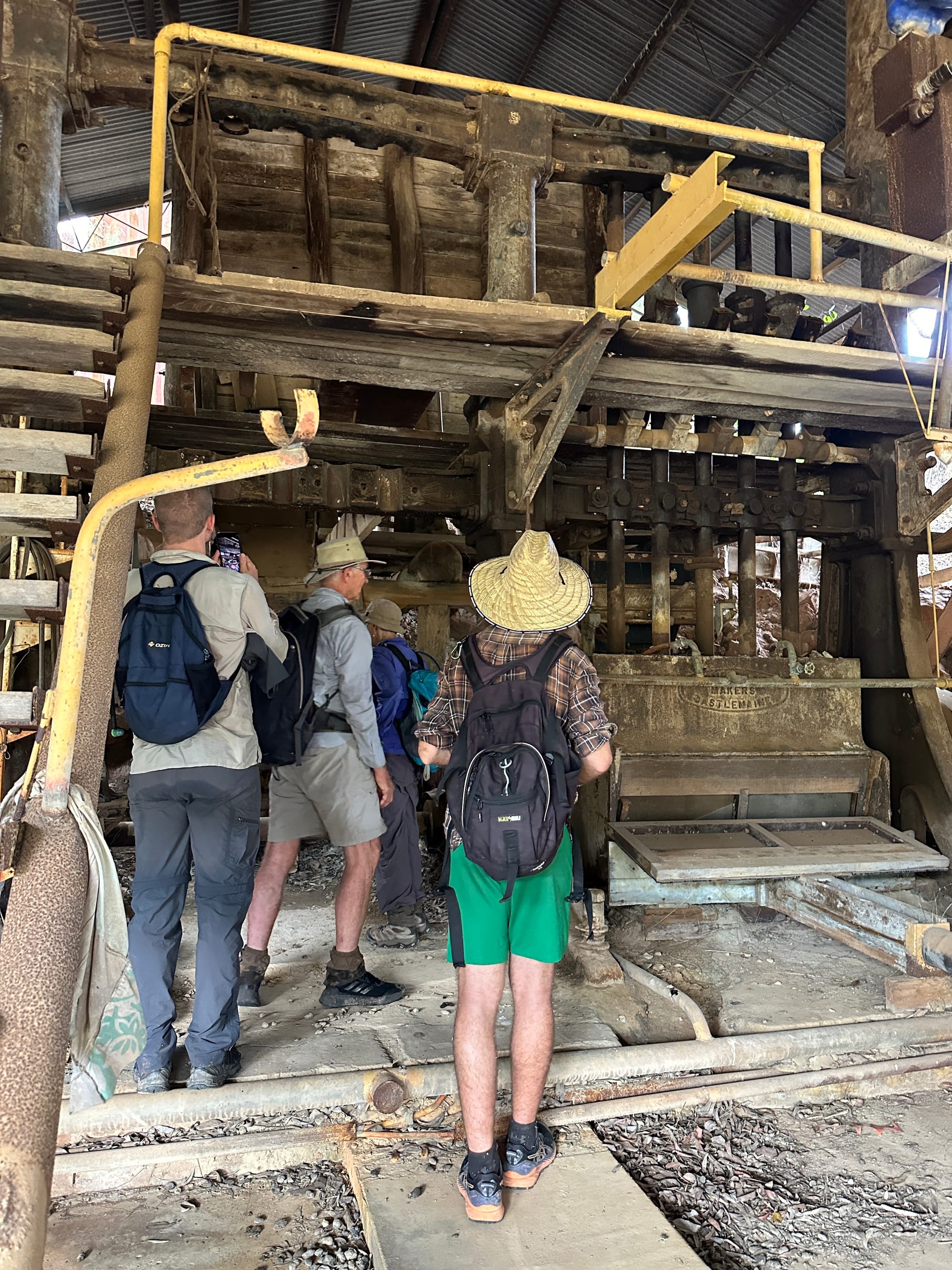
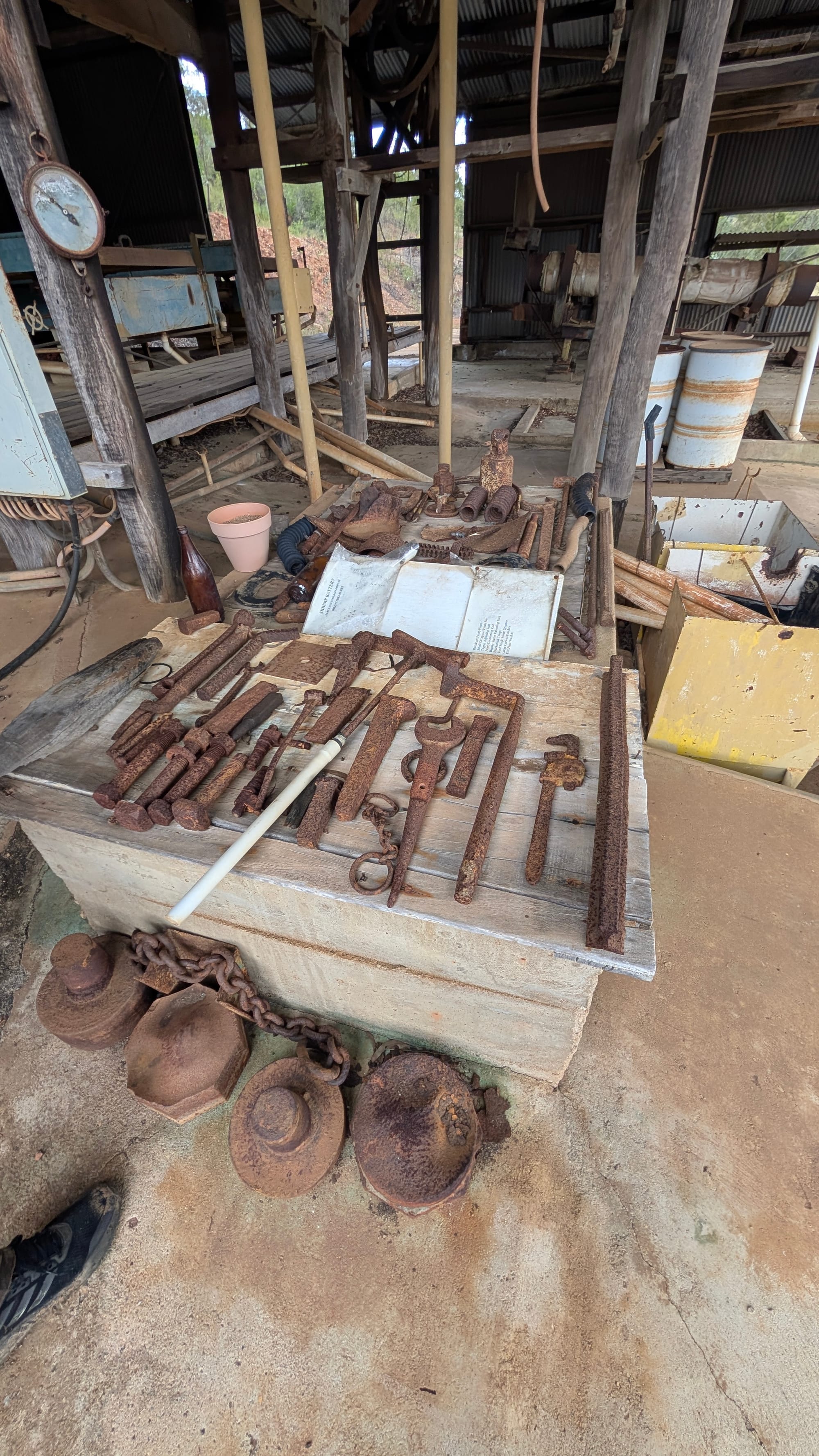
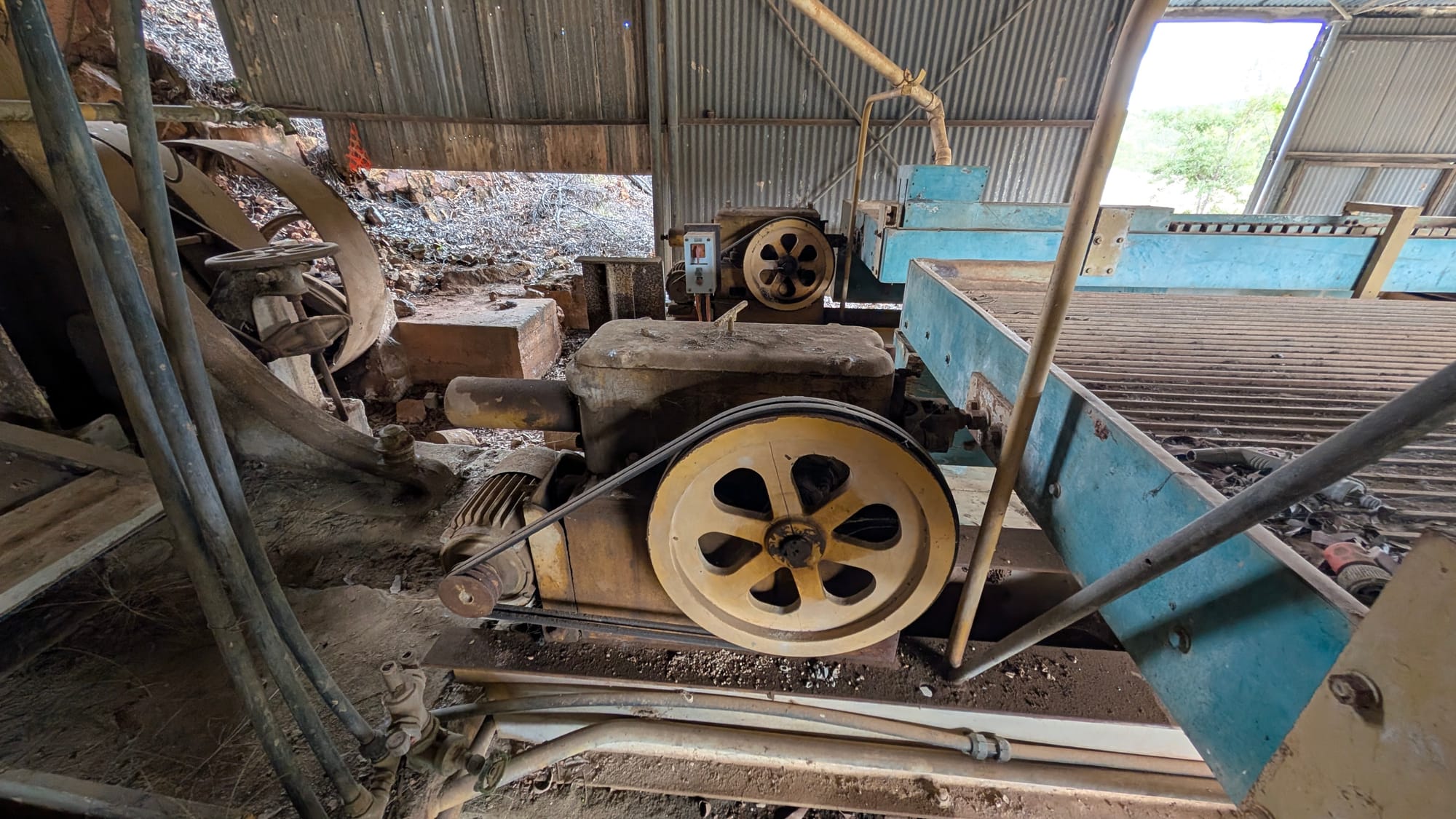
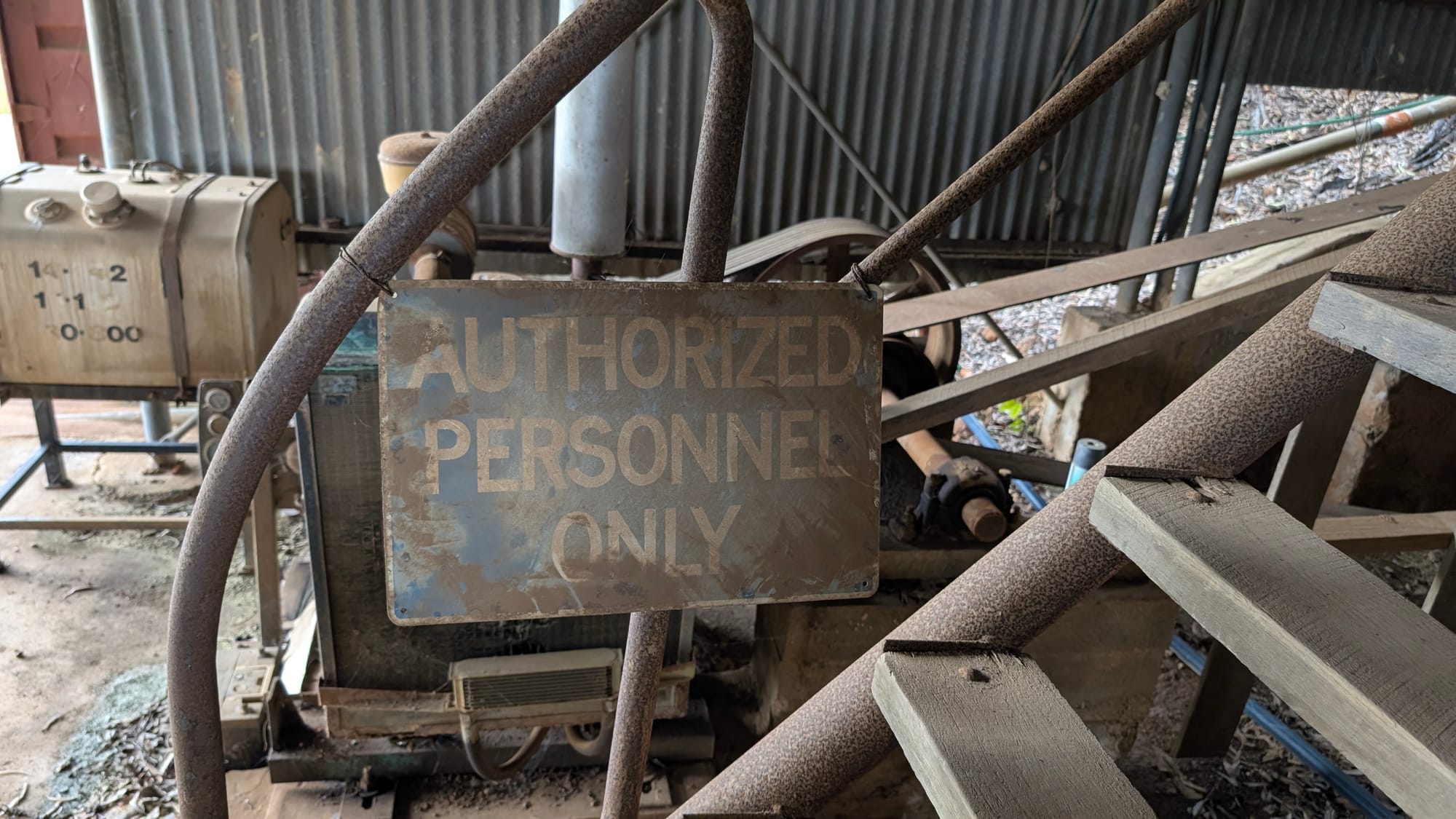
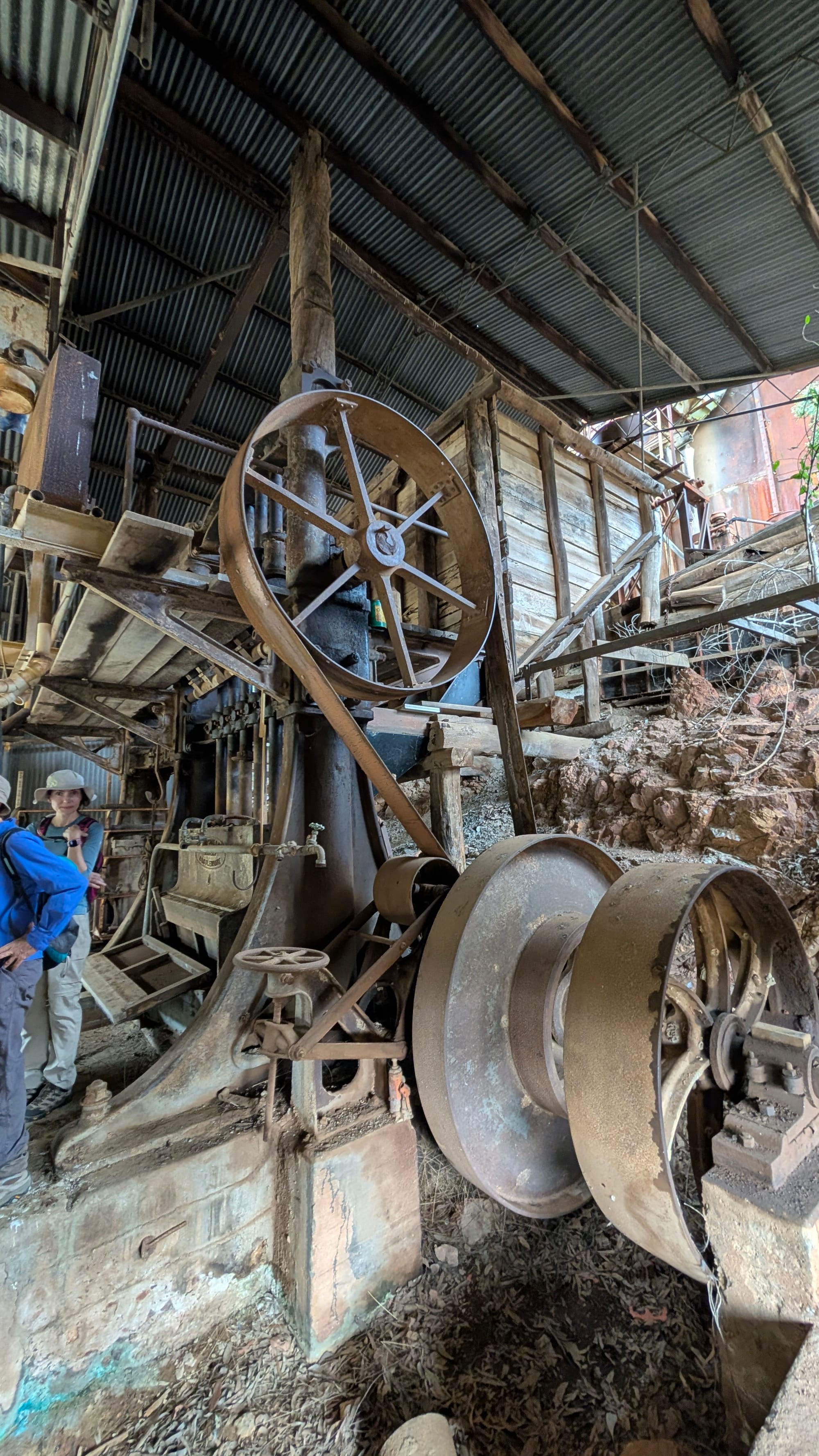
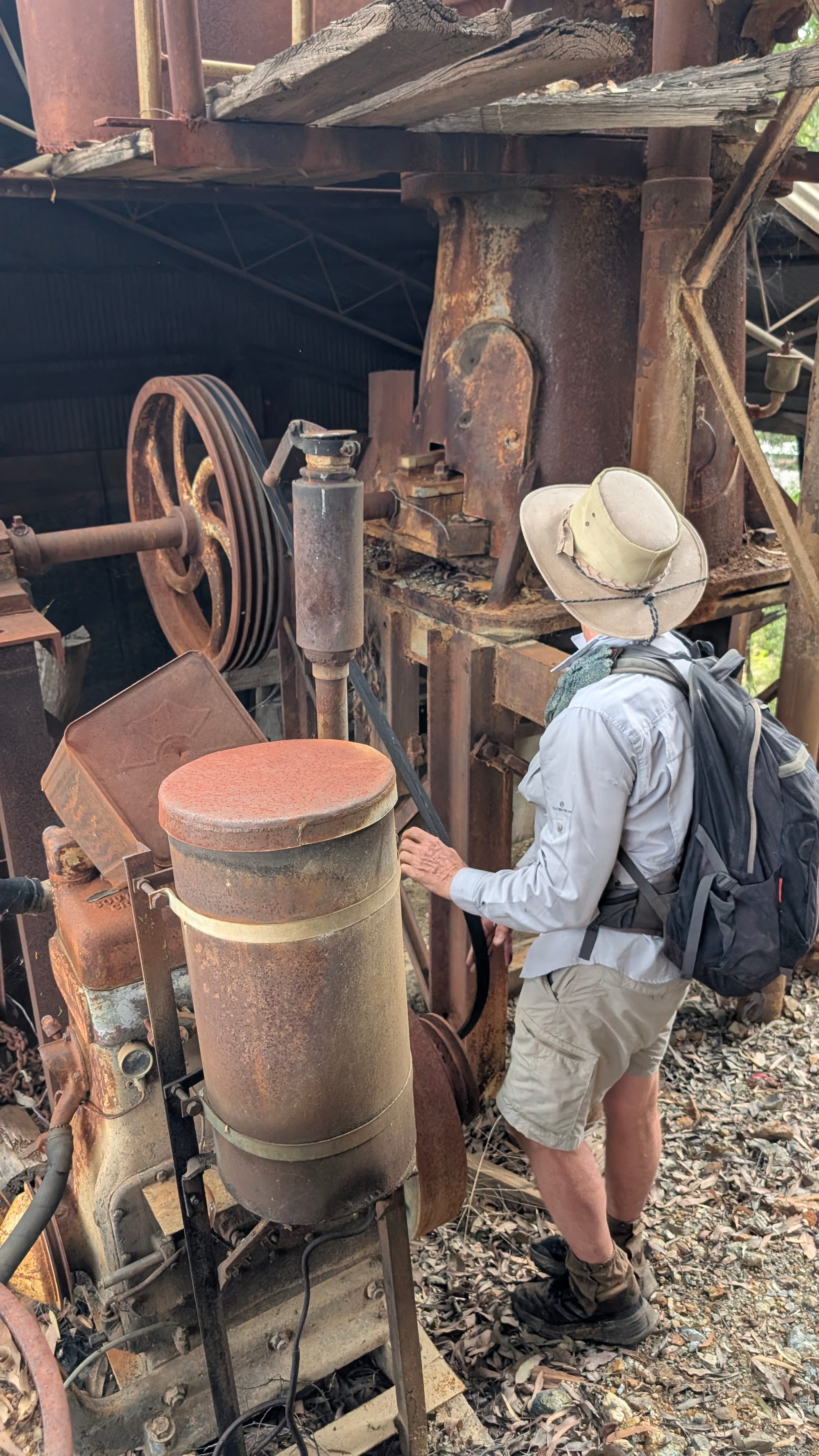
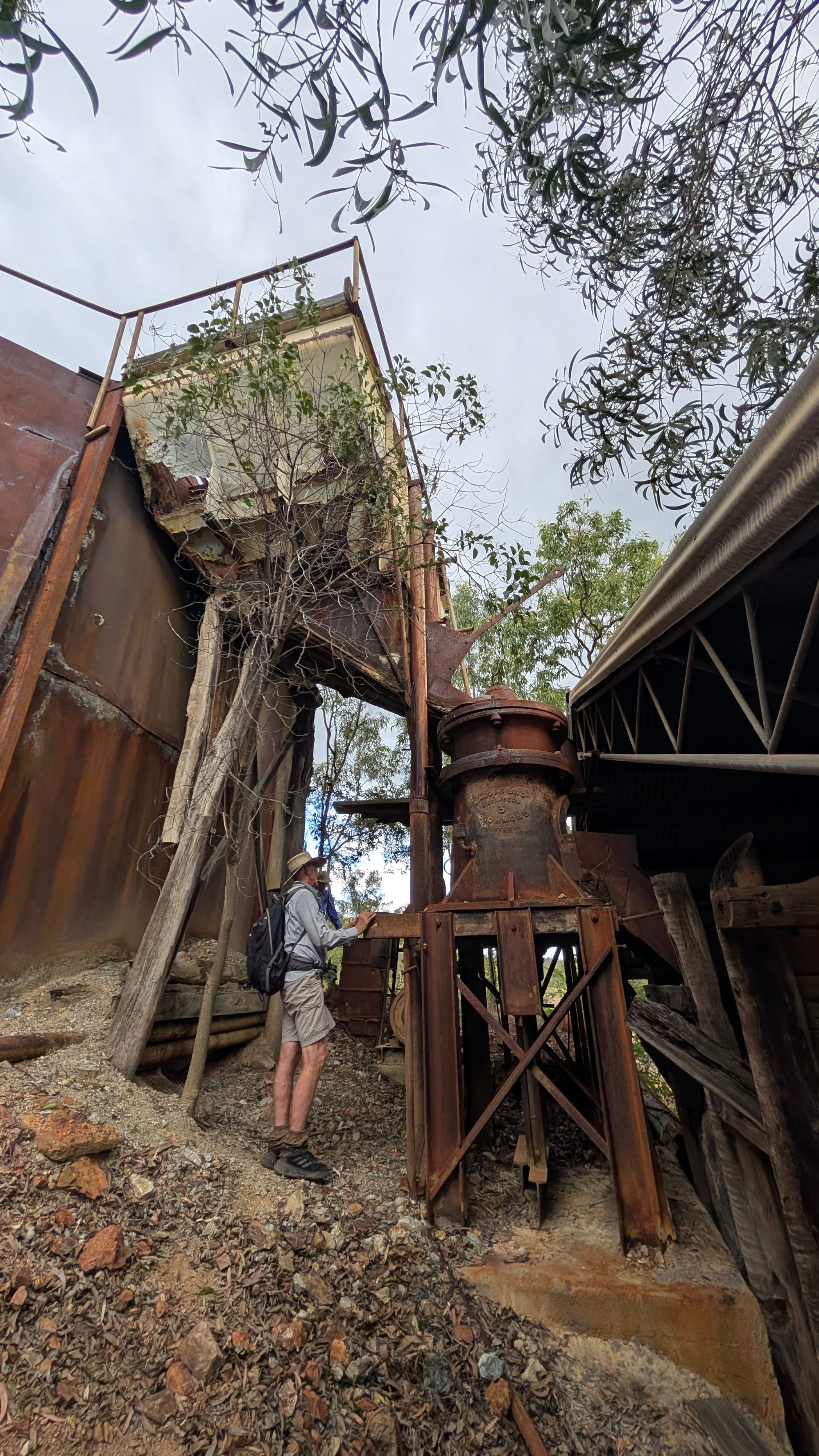
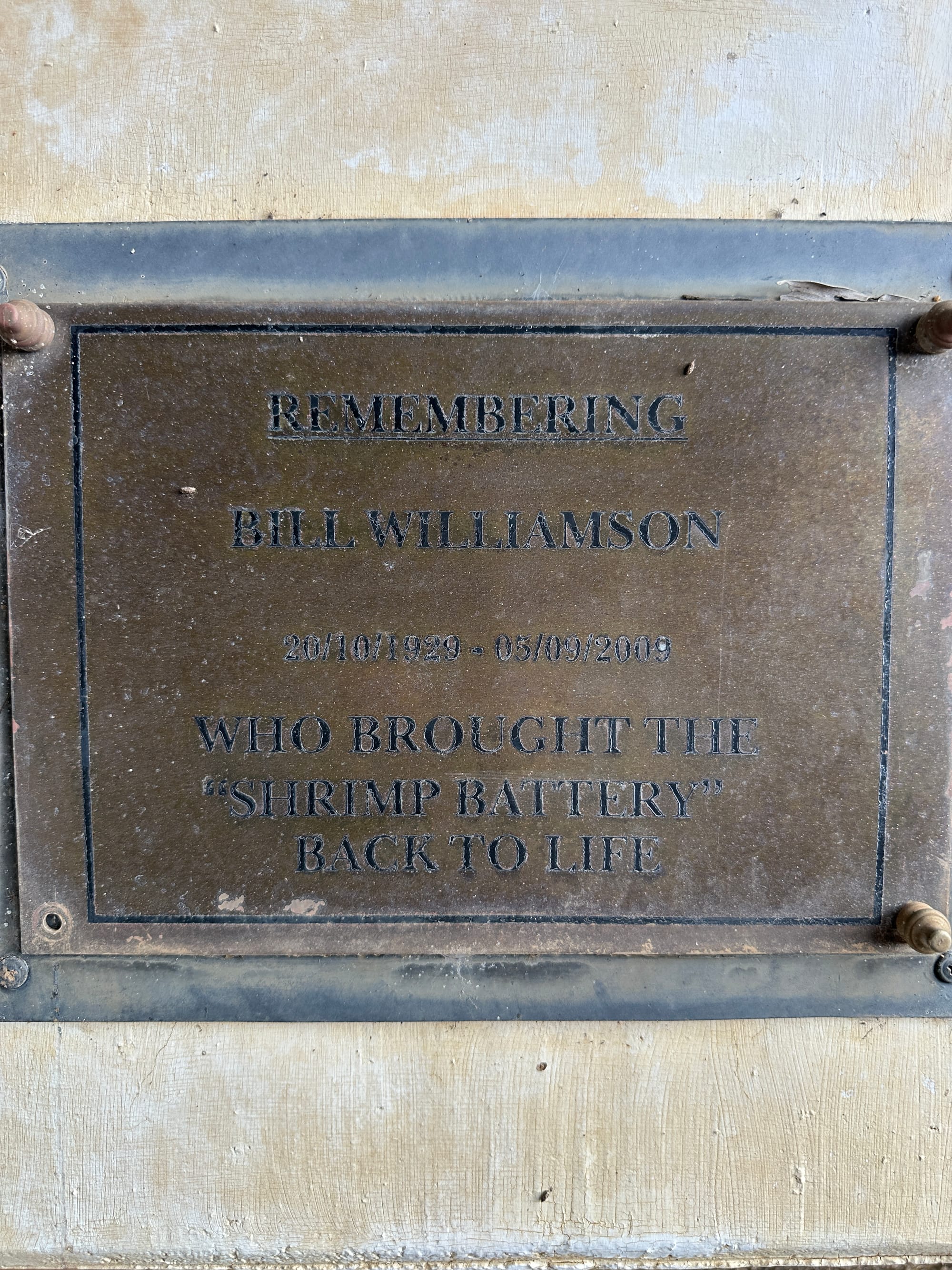
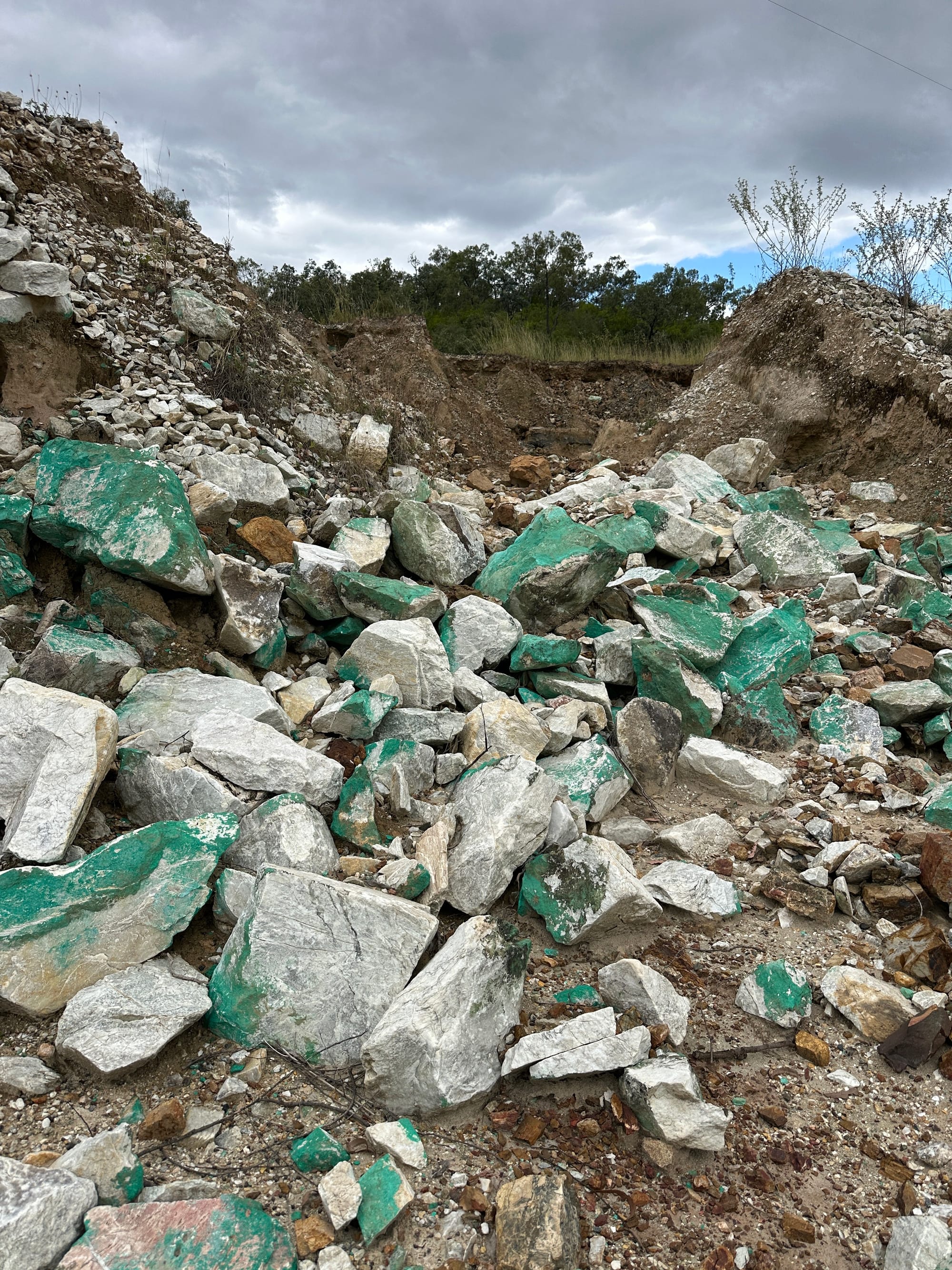
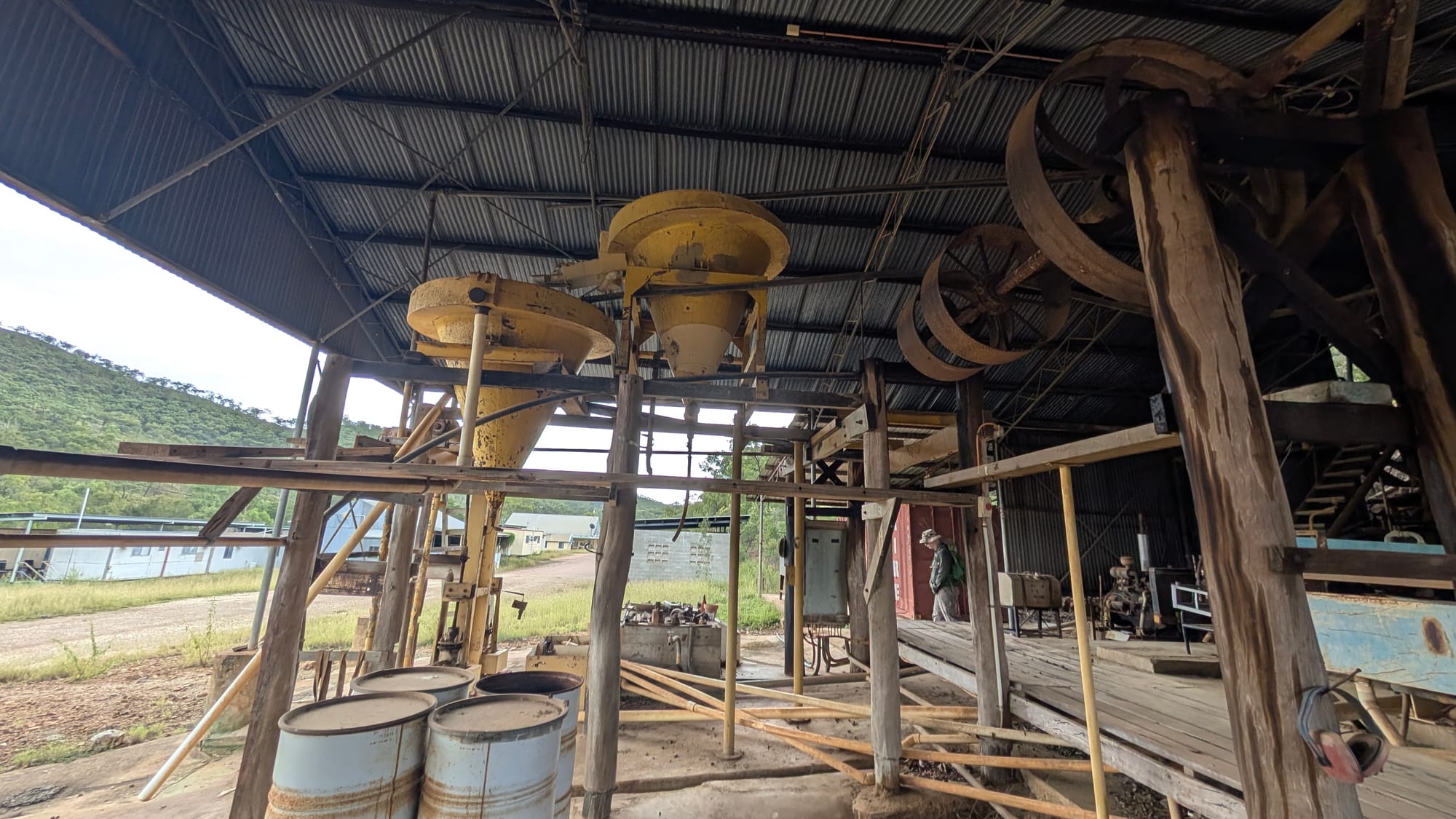
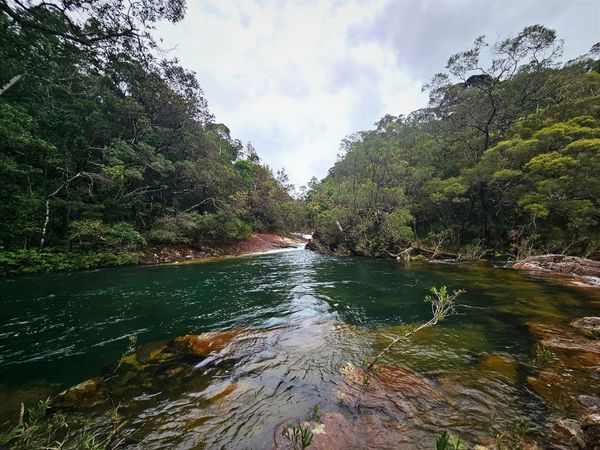
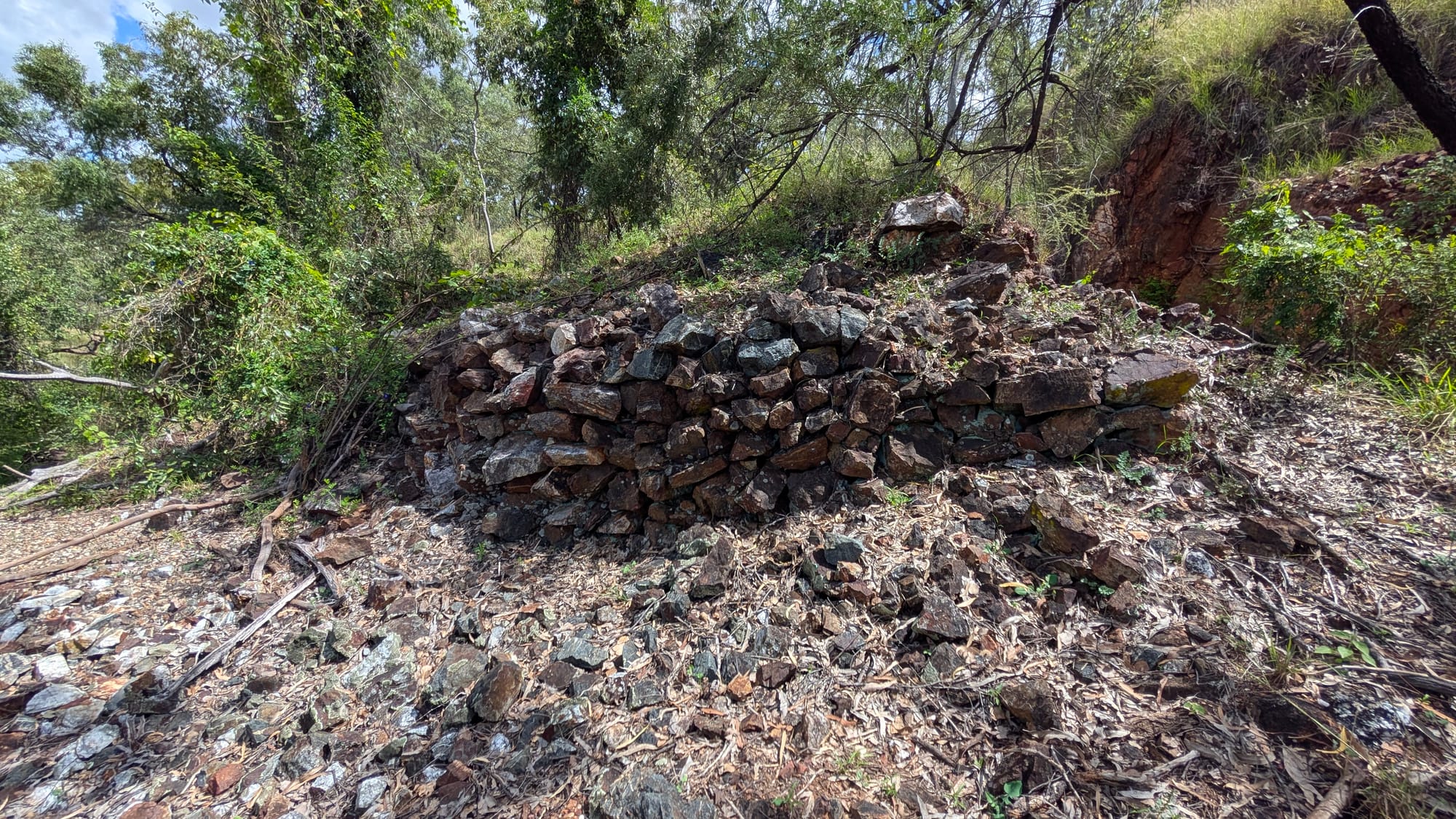
Not long after, we reached a larger creek and decided this would be our camp for the first night. Once camp was set, we headed off on foot to a fairly recently restored historic battery. It was a real highlight of the trip and fascinating to see such a site brought back to life, giving us a much clearer sense of how these batteries once worked. Around the site were very colourful blue and green crushed ore (probably due to oxidation reaction), rusty relics, and plenty to inspect and talk about.
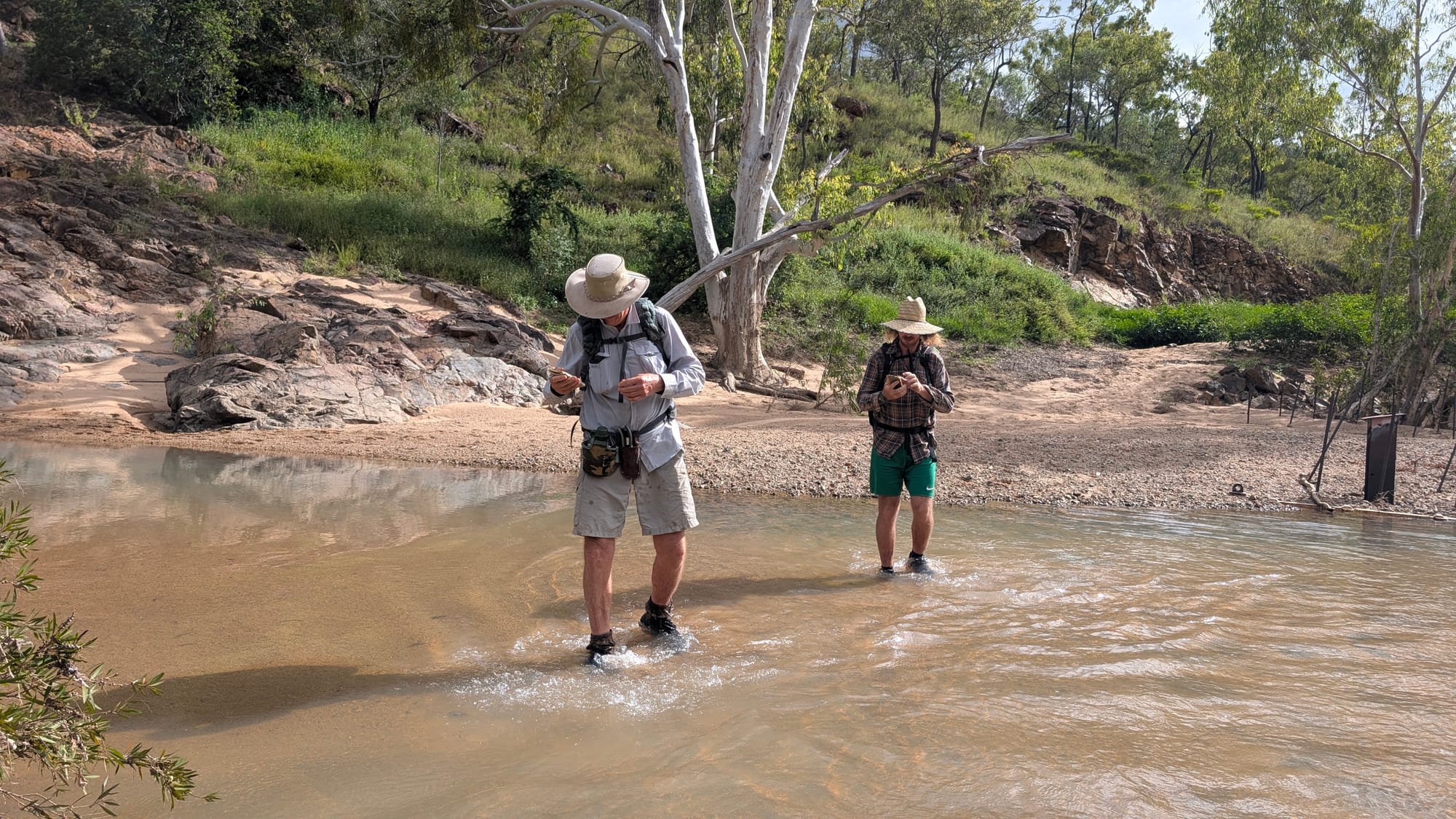
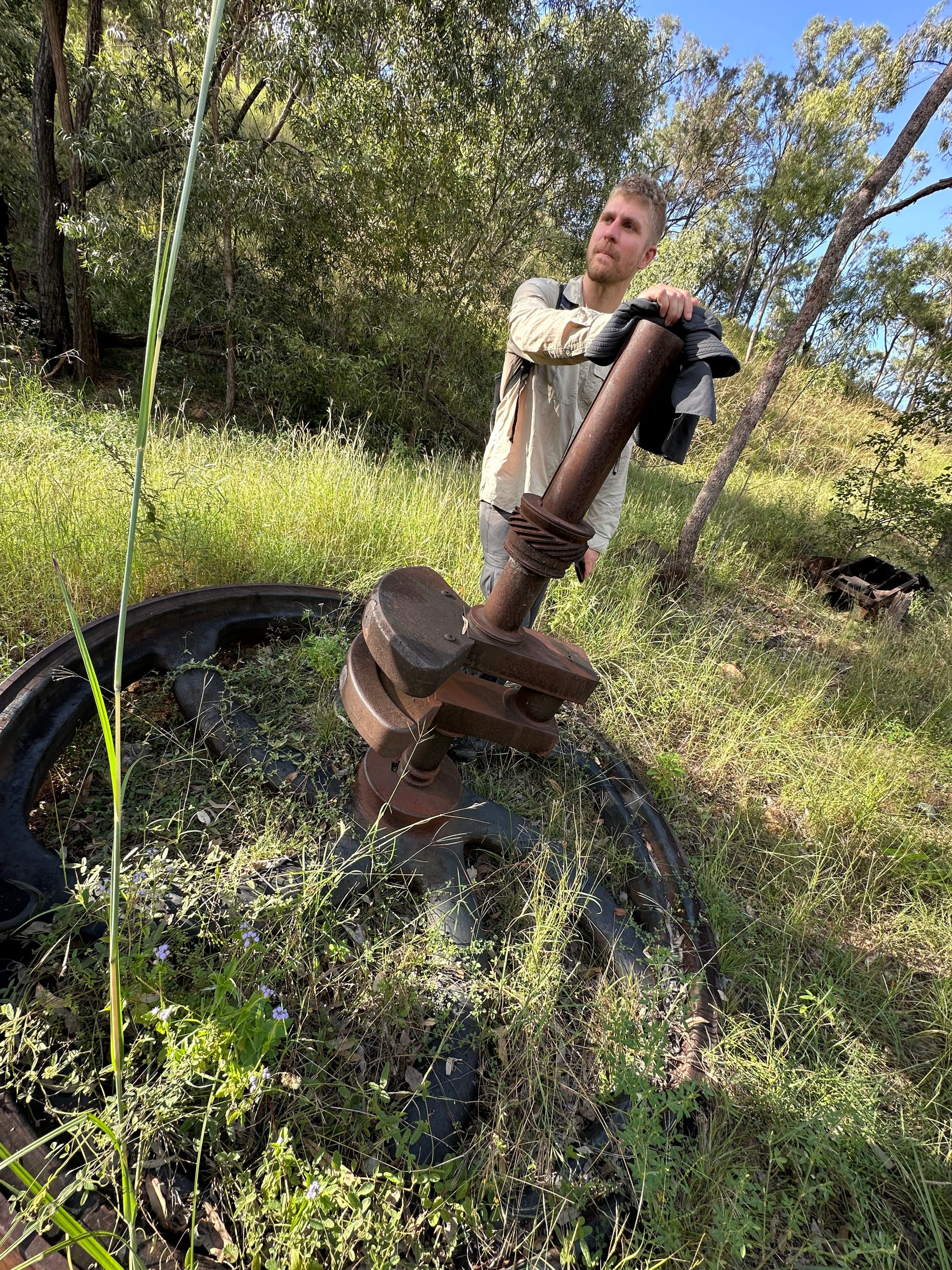
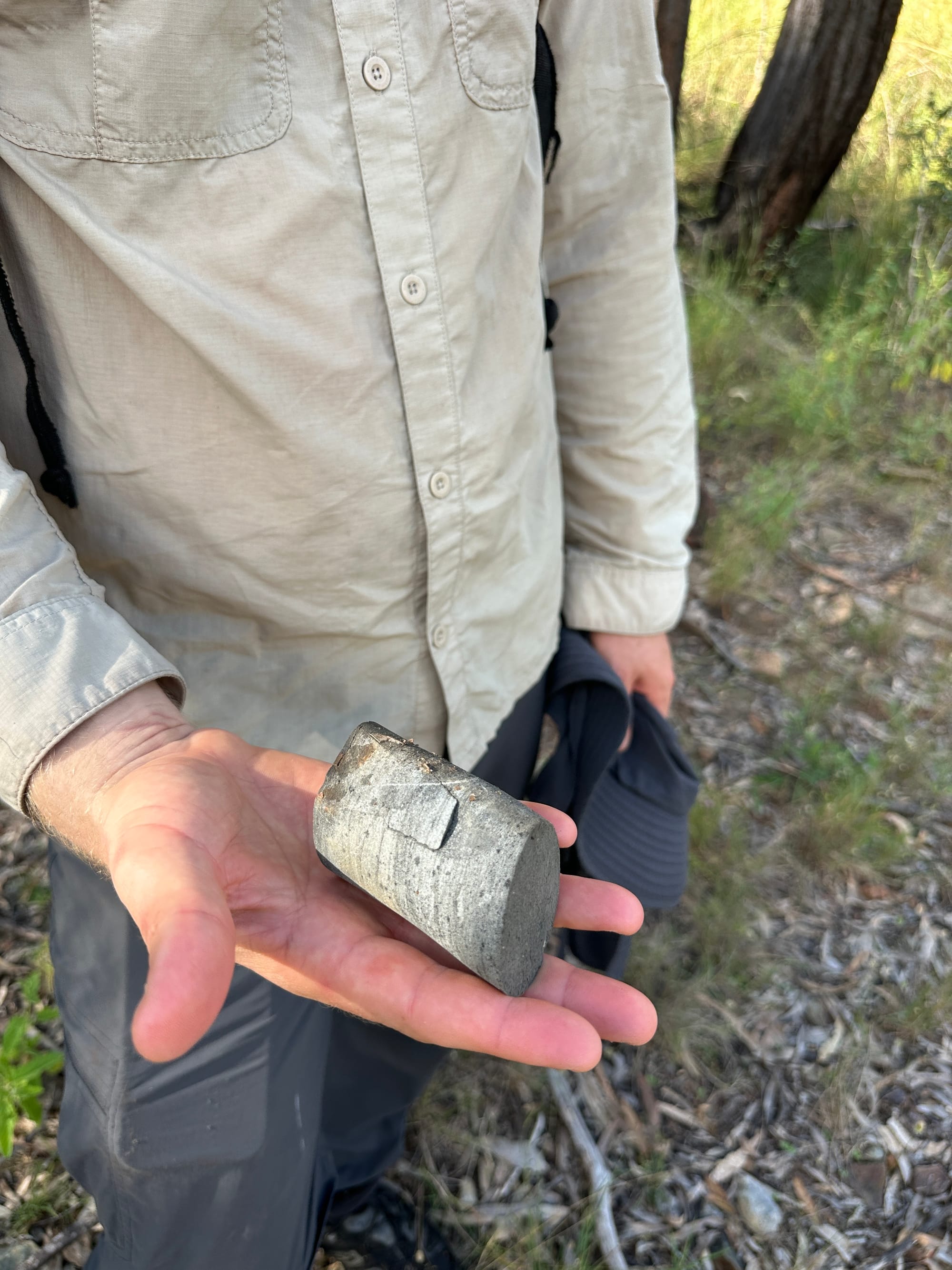
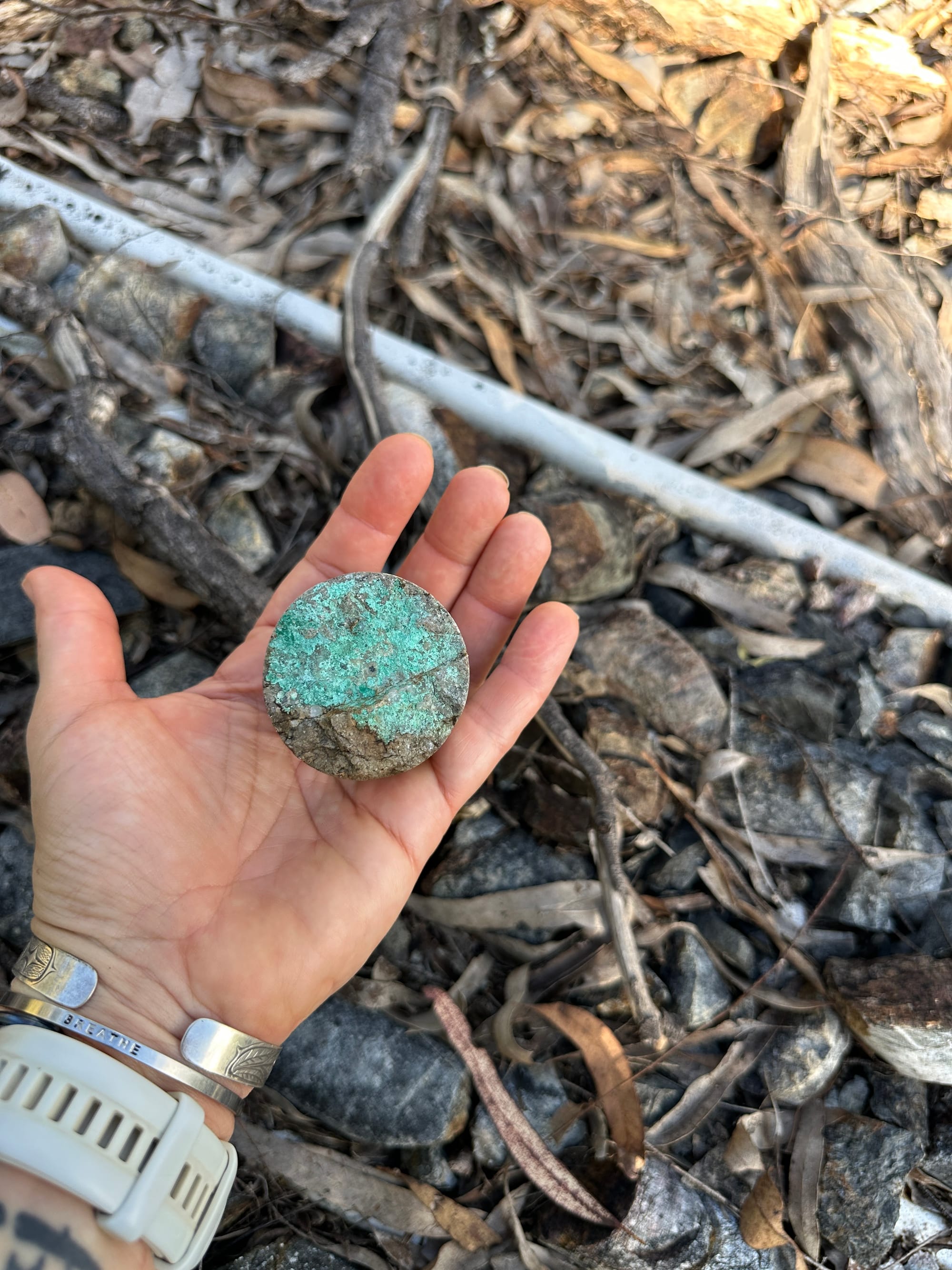
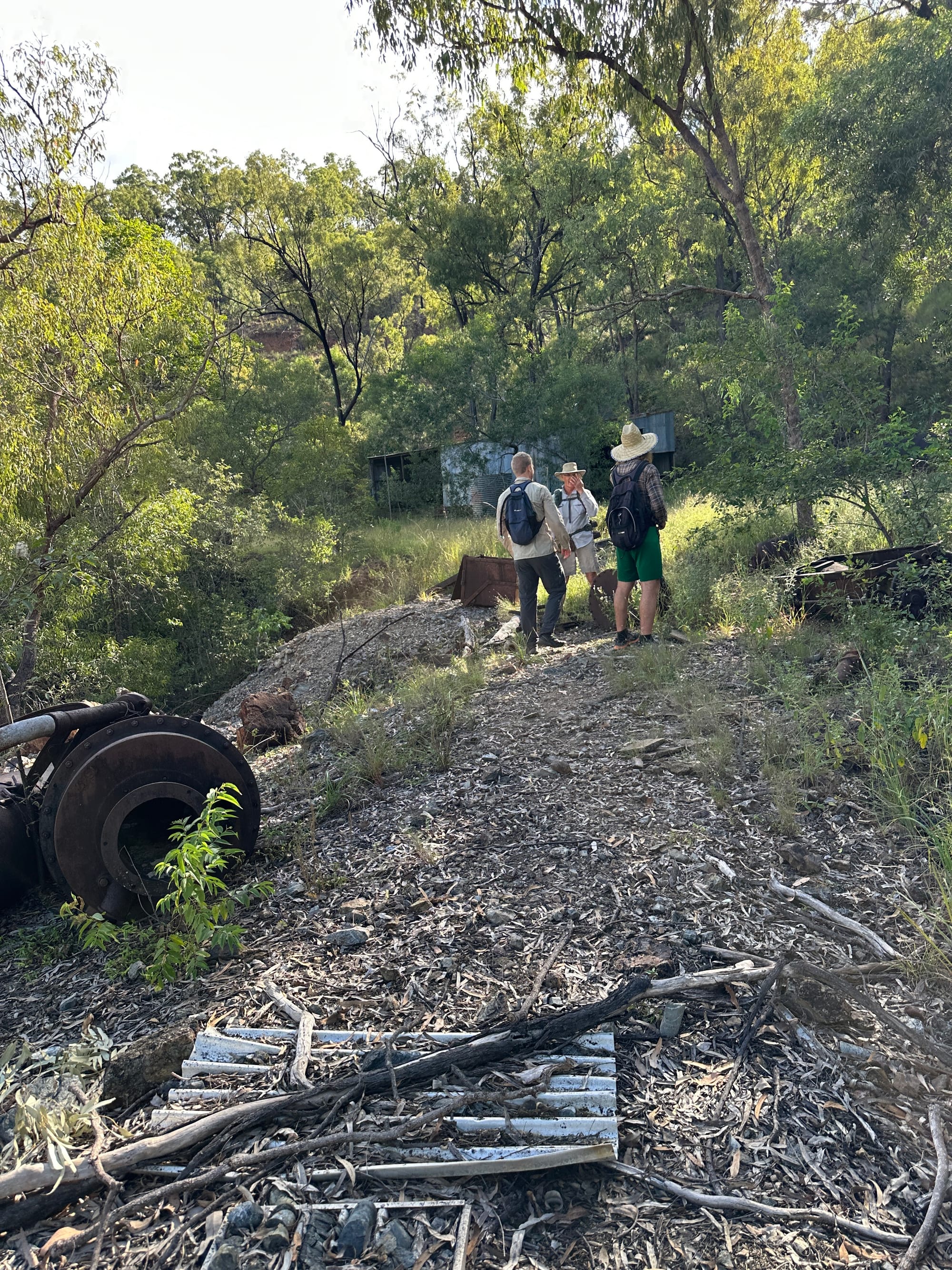
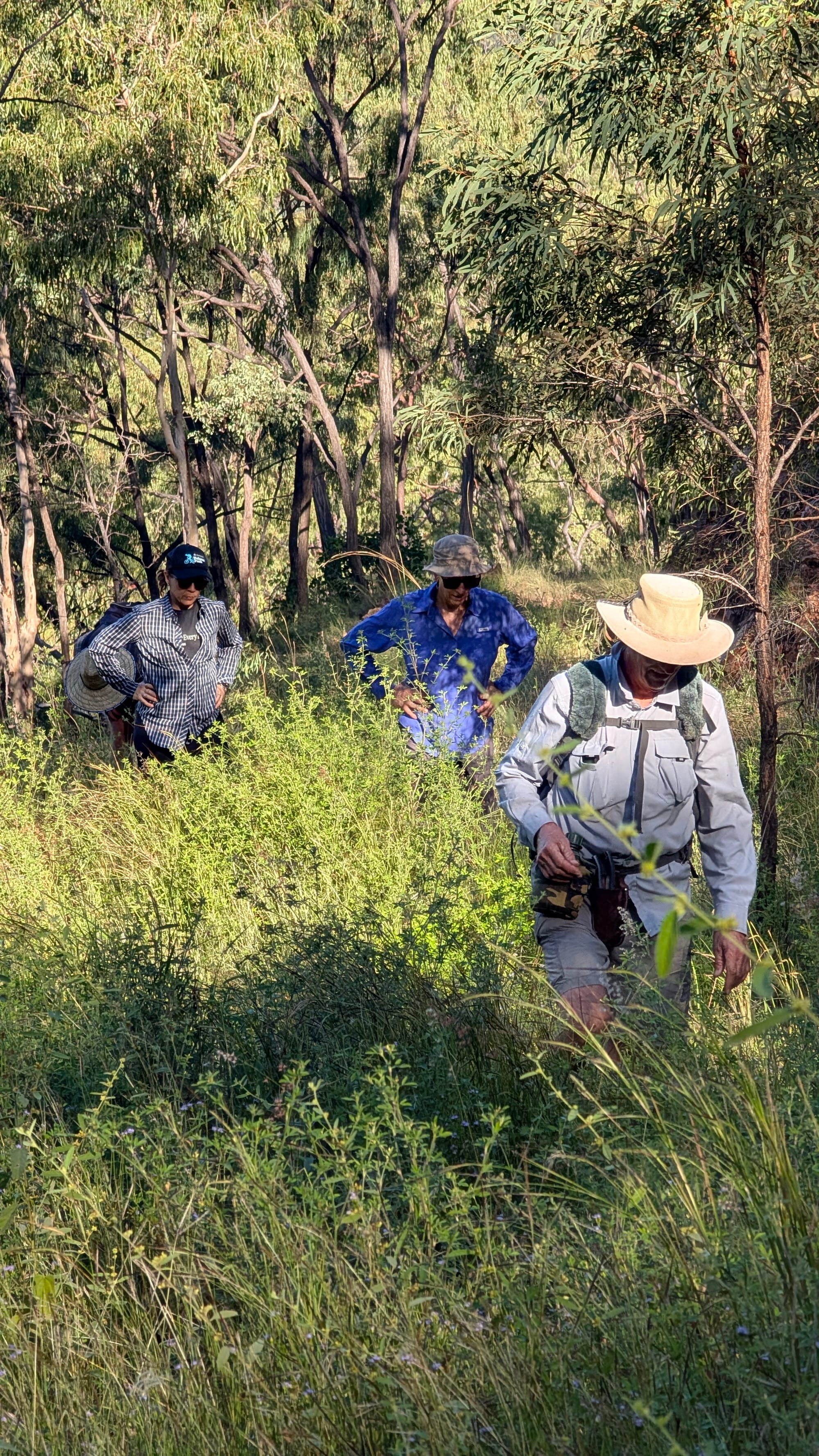
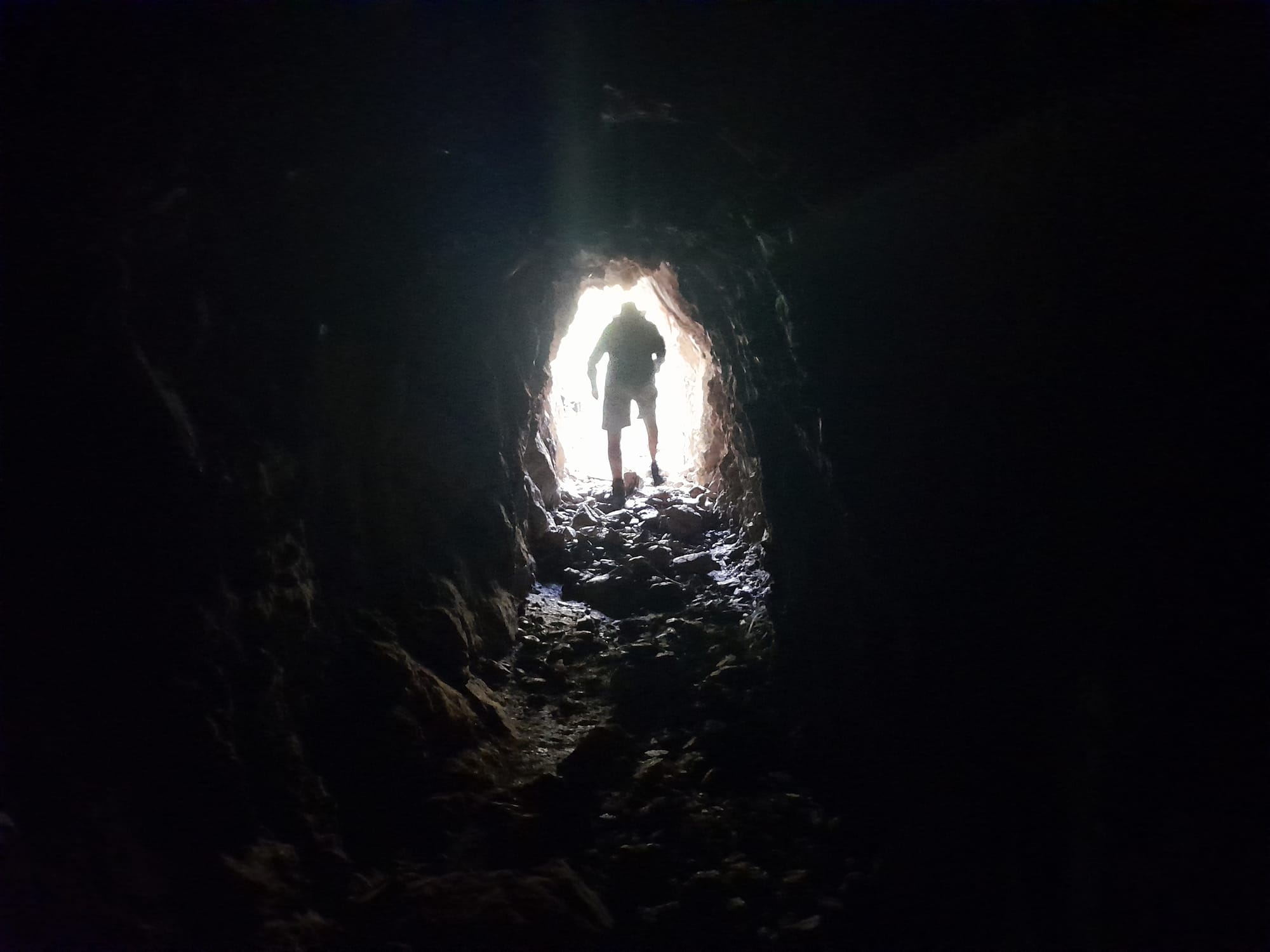
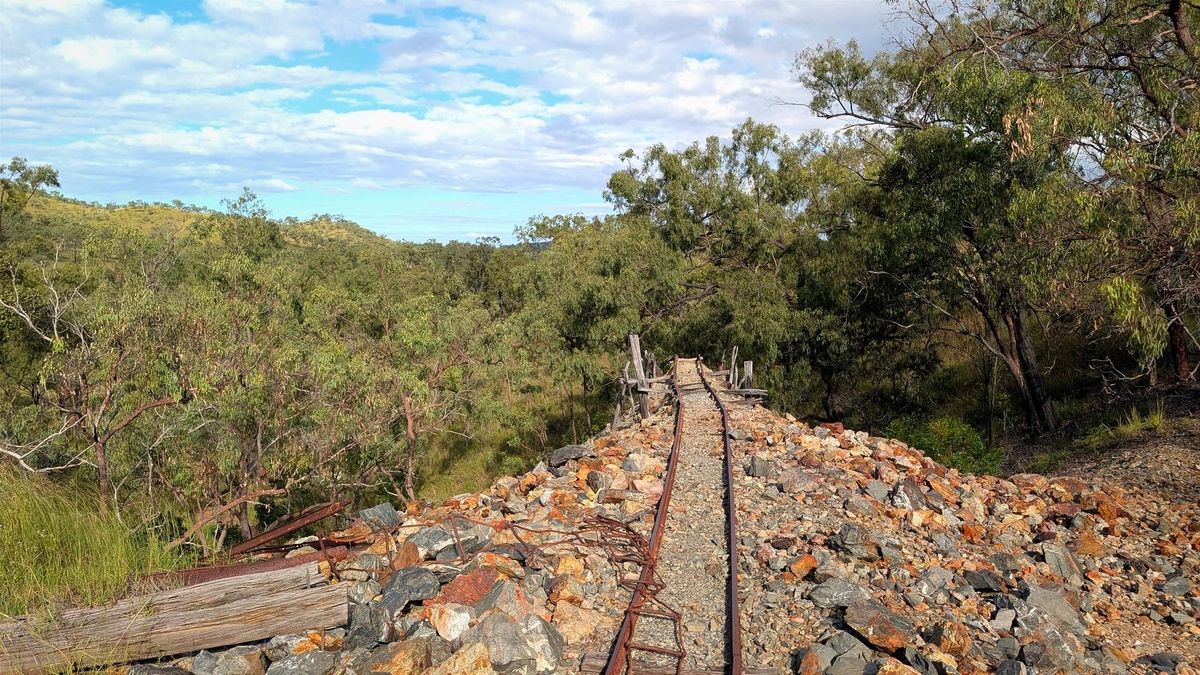
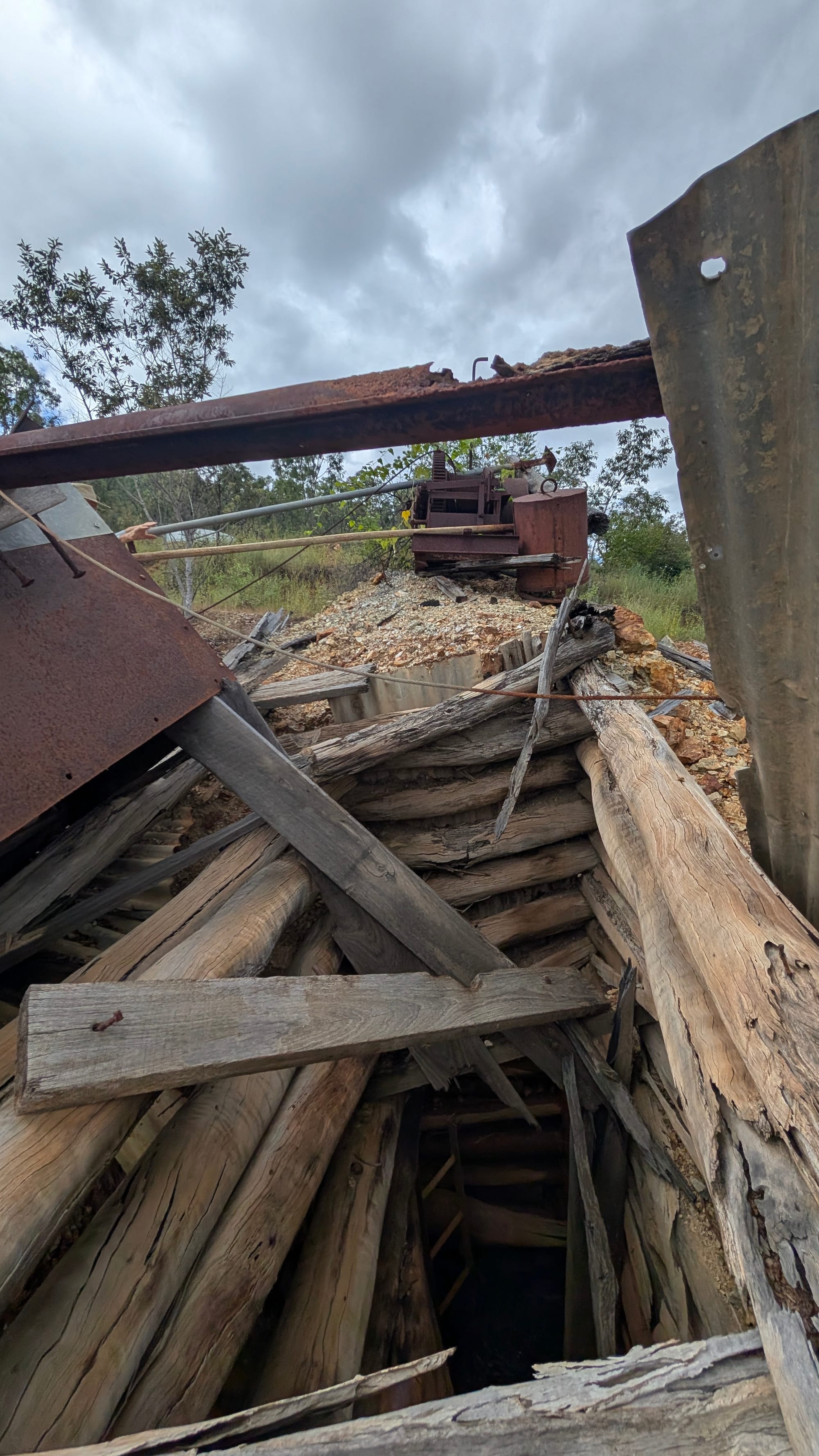
From there, we wandered back upstream towards the vehicles. A few in the group decided that was enough for the afternoon, while the rest of us pushed on to another nearby mining area. This site had horizontal tunnels, old trolley tracks, ore scattered about, and more substantial remains of machinery and structures. The main tunnel has old dynamite explosives and is about 70m long. However, on this trip, it was flooded, and the entrance seemed to have collapsed a little more. So we checked out another tunnel just above. There were plenty of striking blue and green mineral-stained rocks around at this site as well, though not quite as abundant as those near the earlier battery site.
After a big first day of driving, walking, and poking around historic workings, we returned to camp for a relaxed evening of campfire, dinner, drinks, banter, and the usual good club yarns.
Day 2
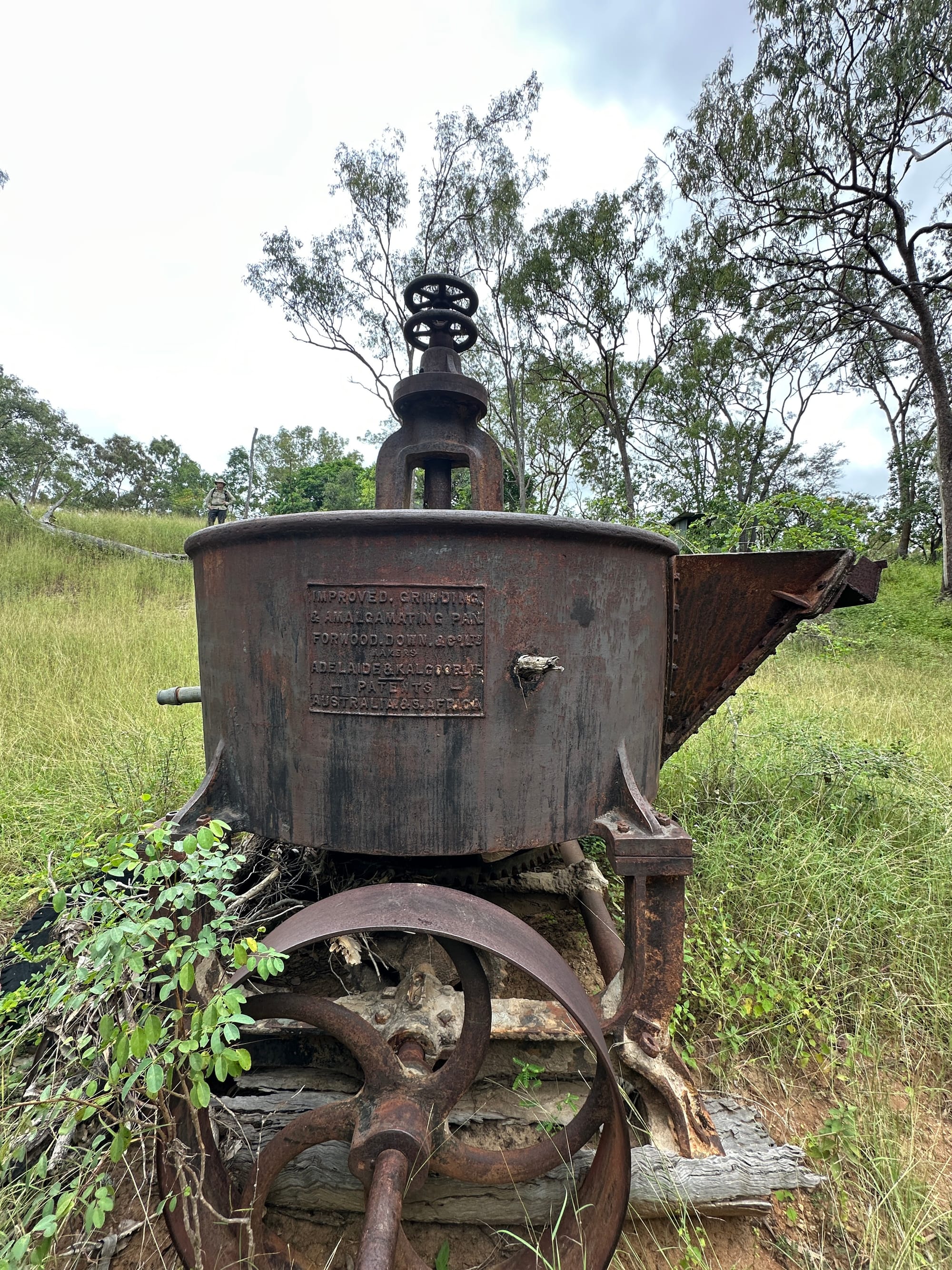
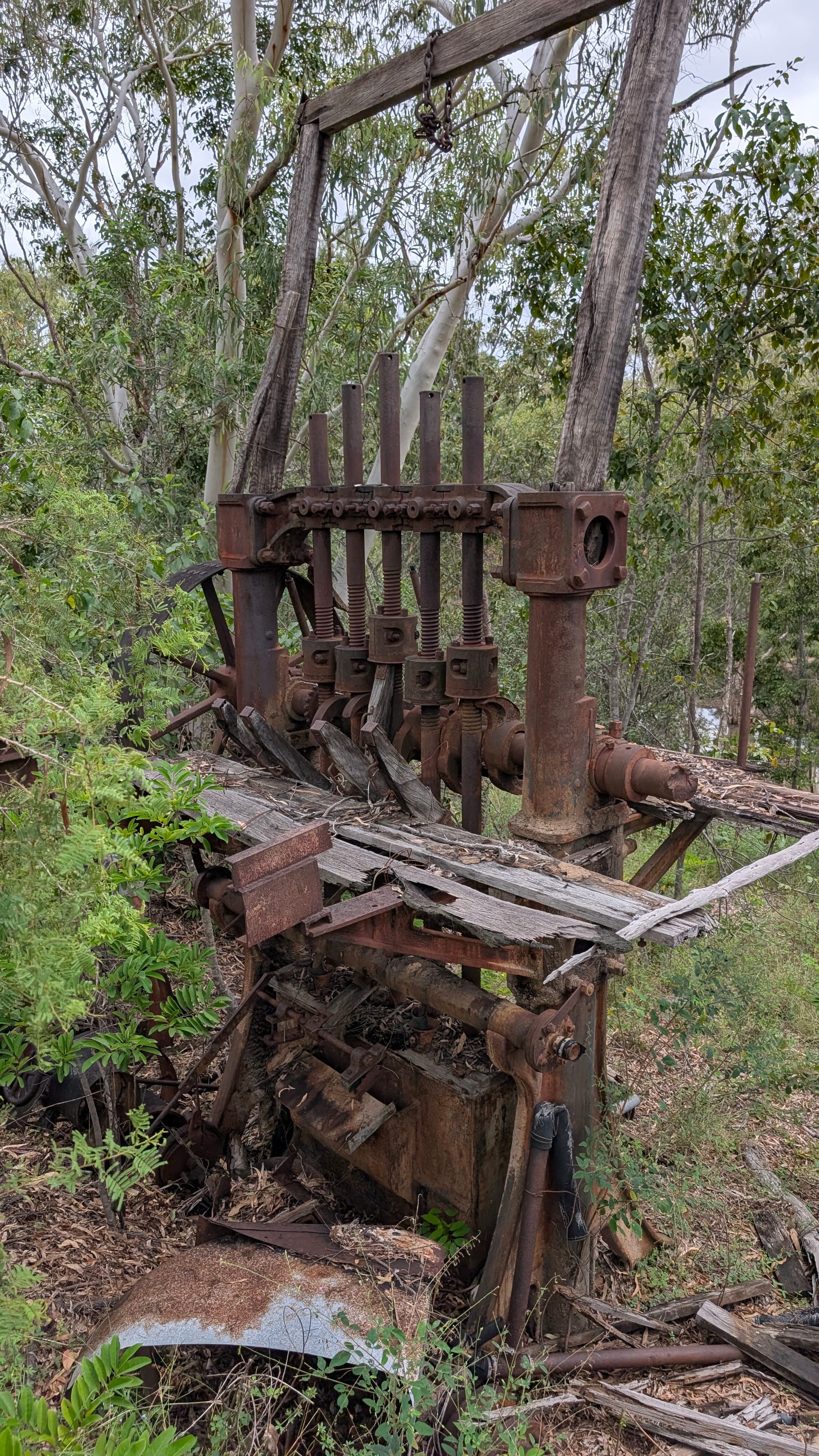
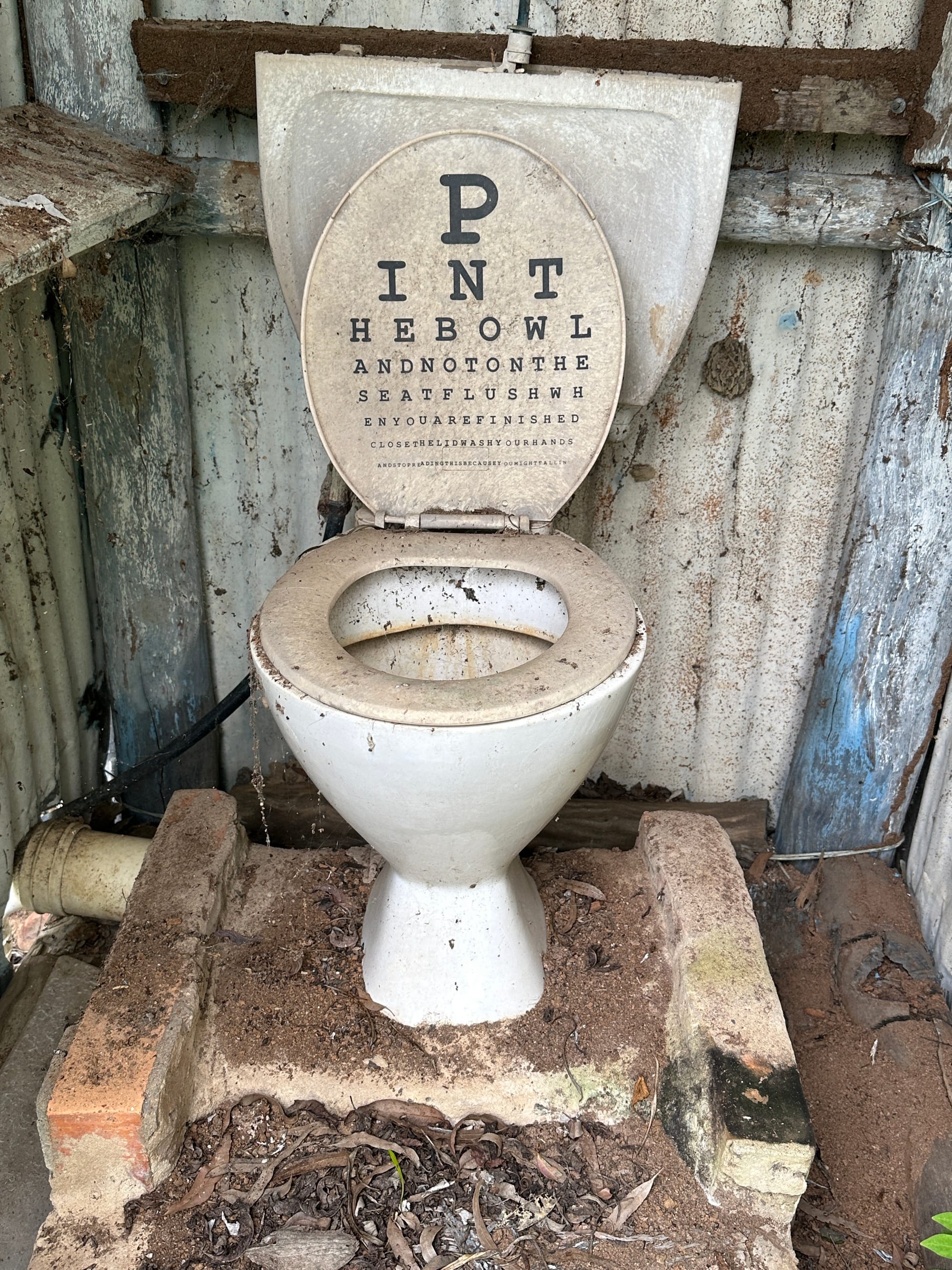
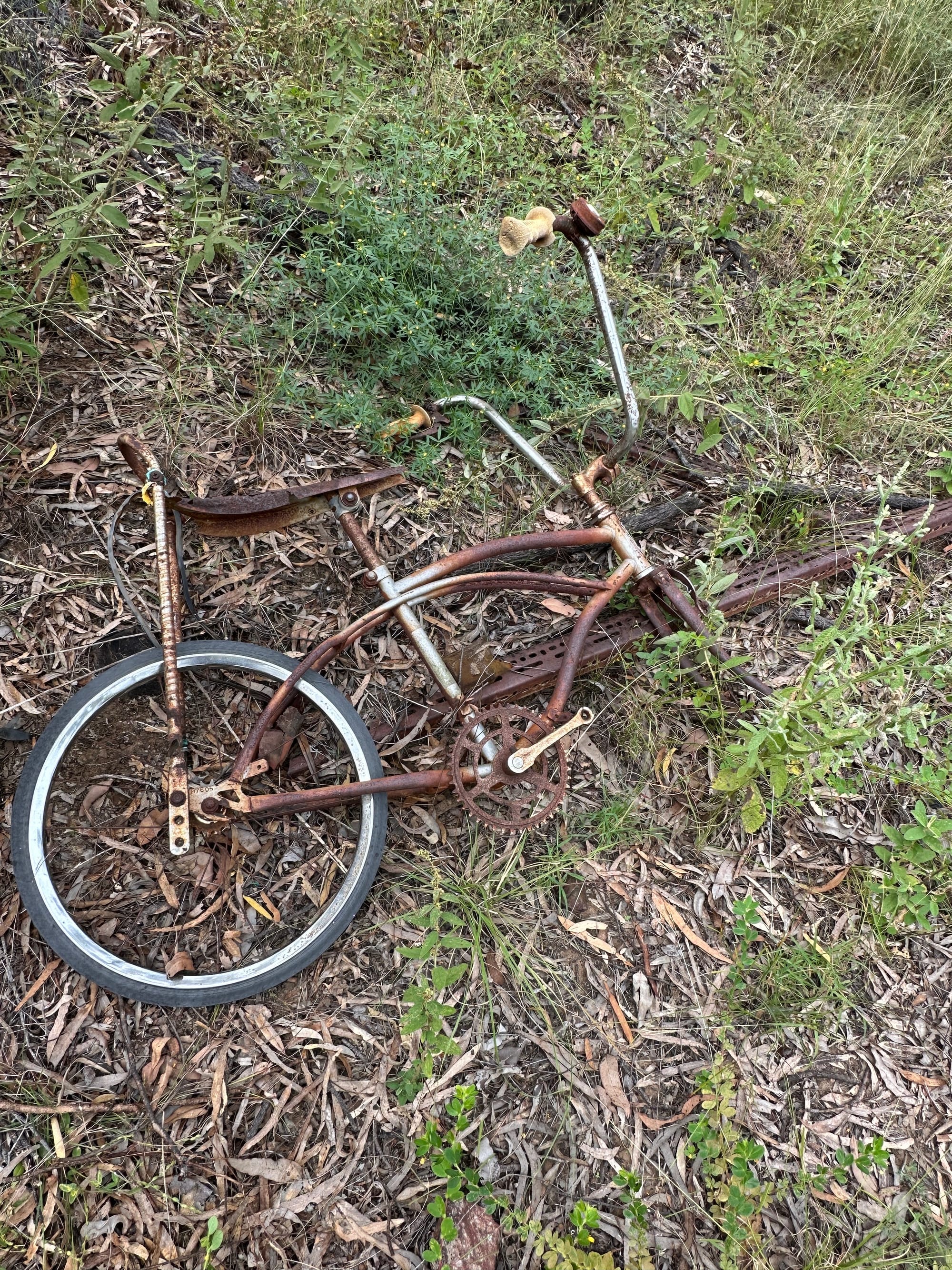
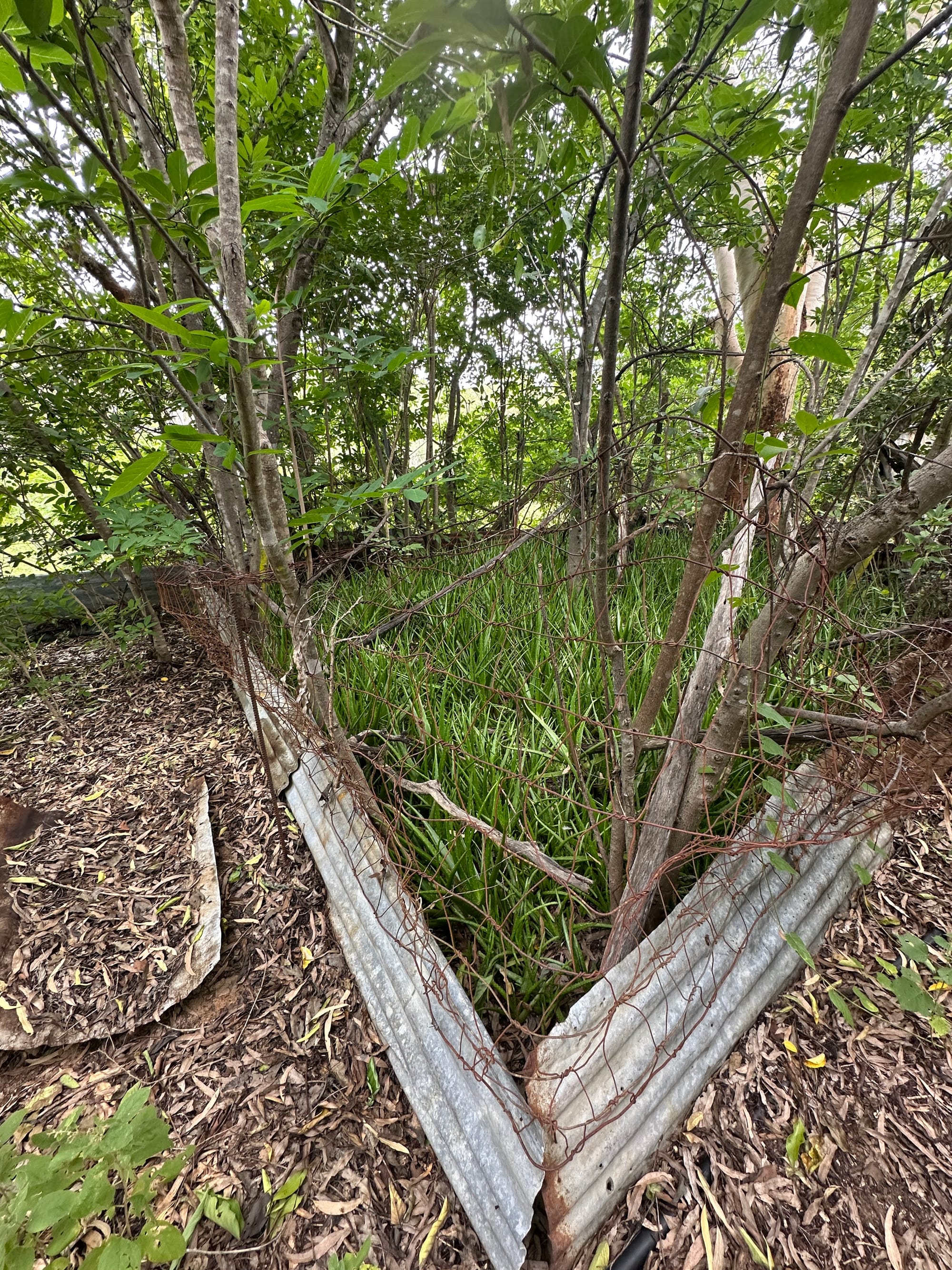
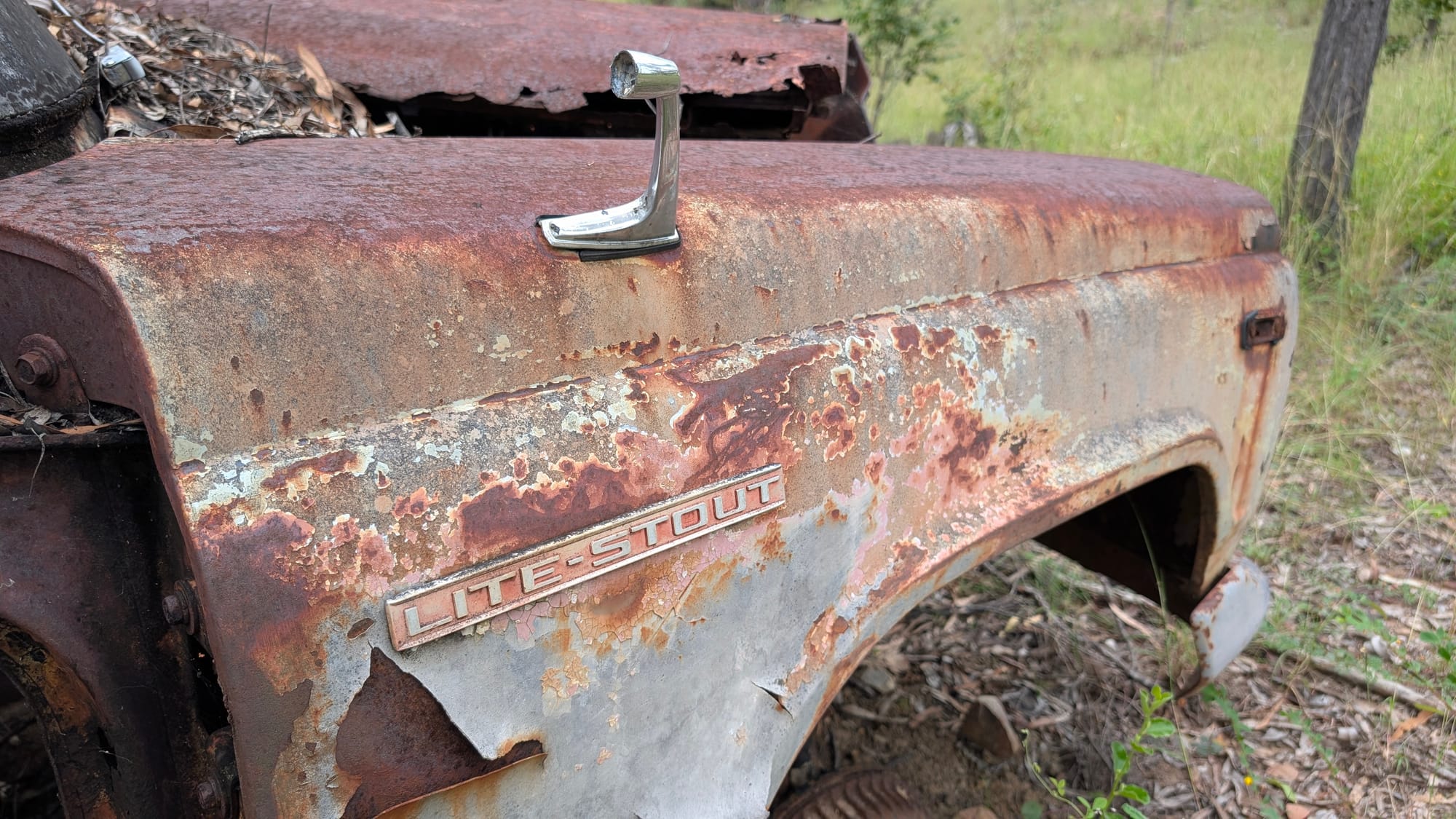
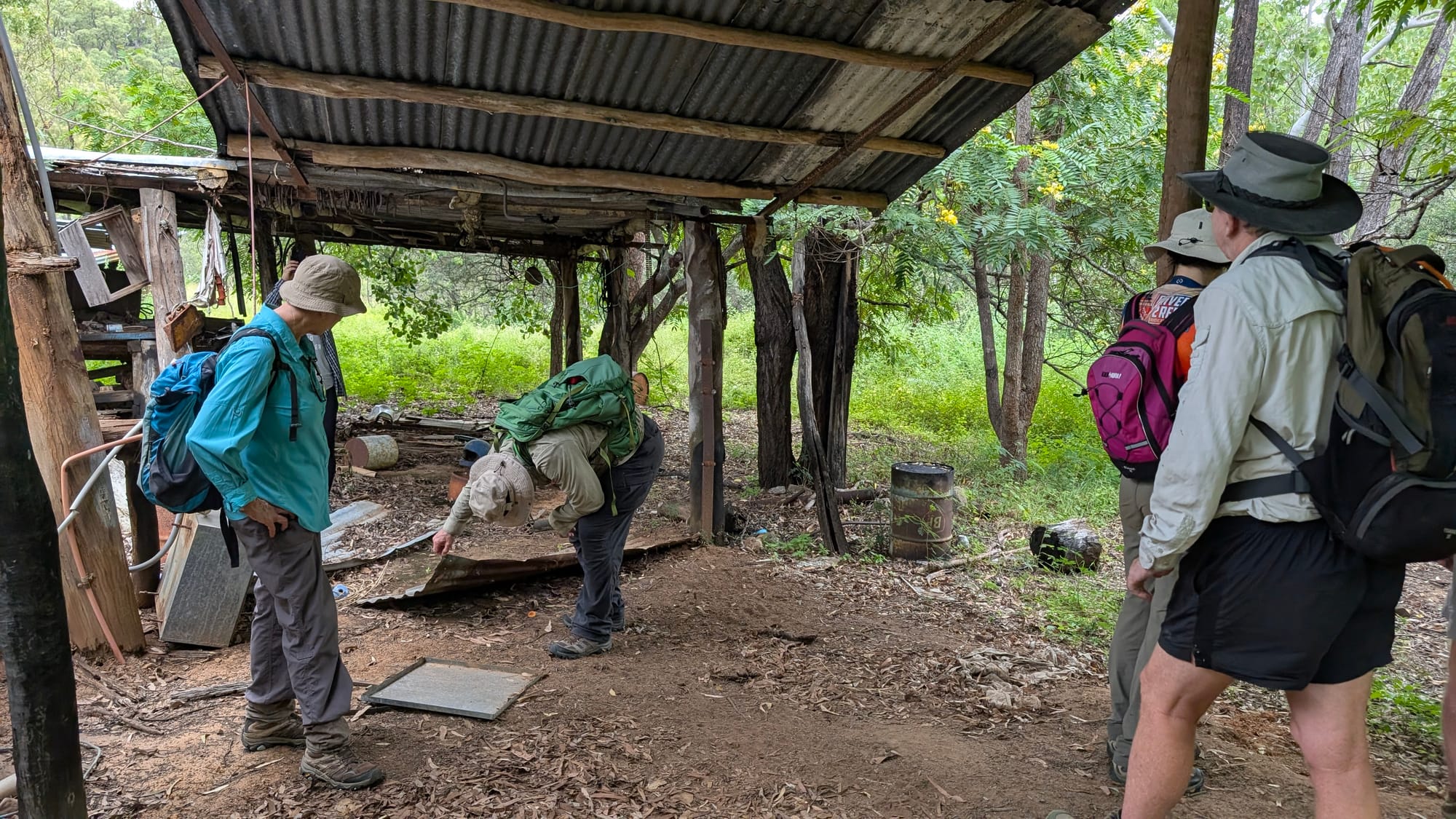
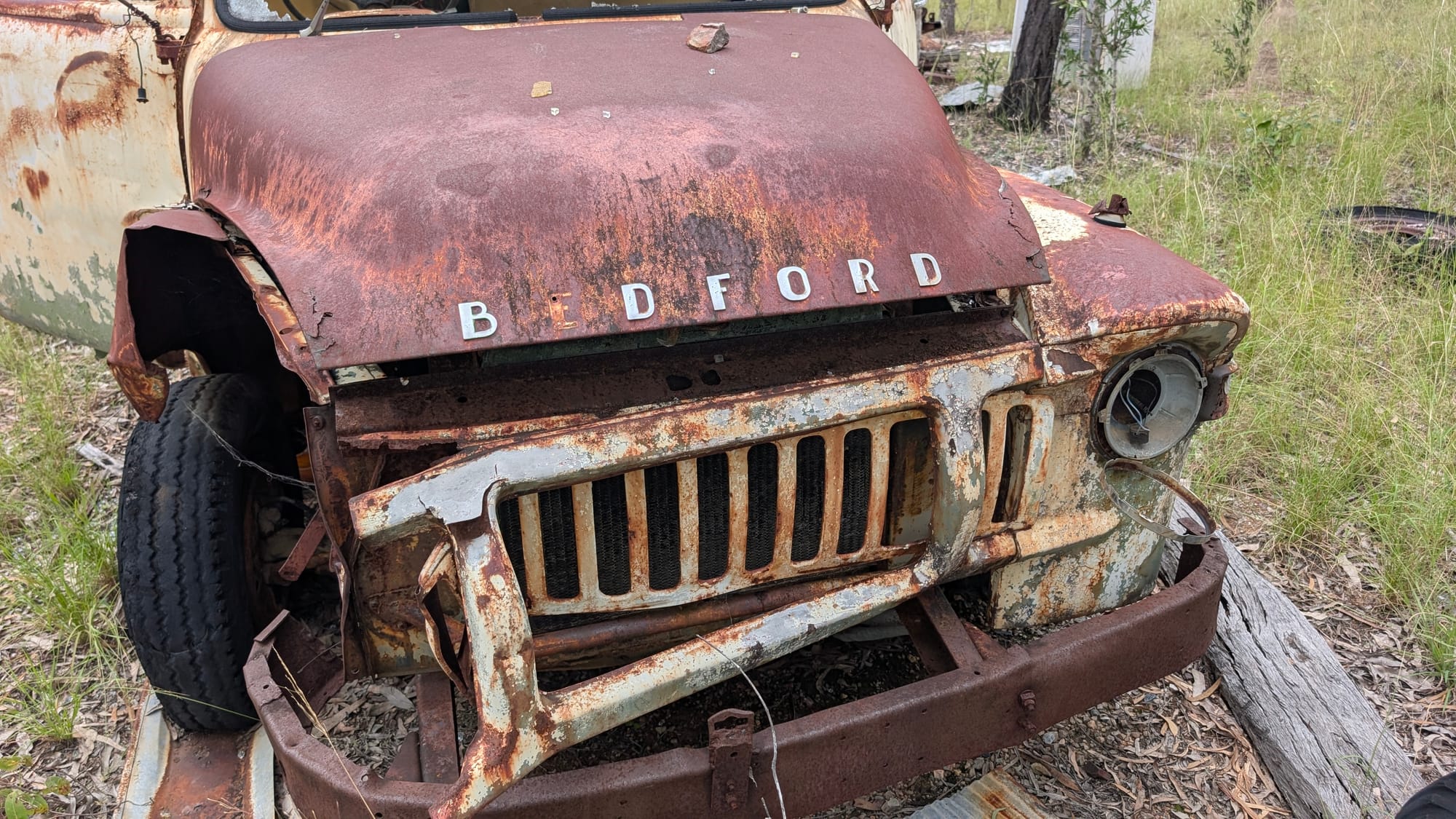
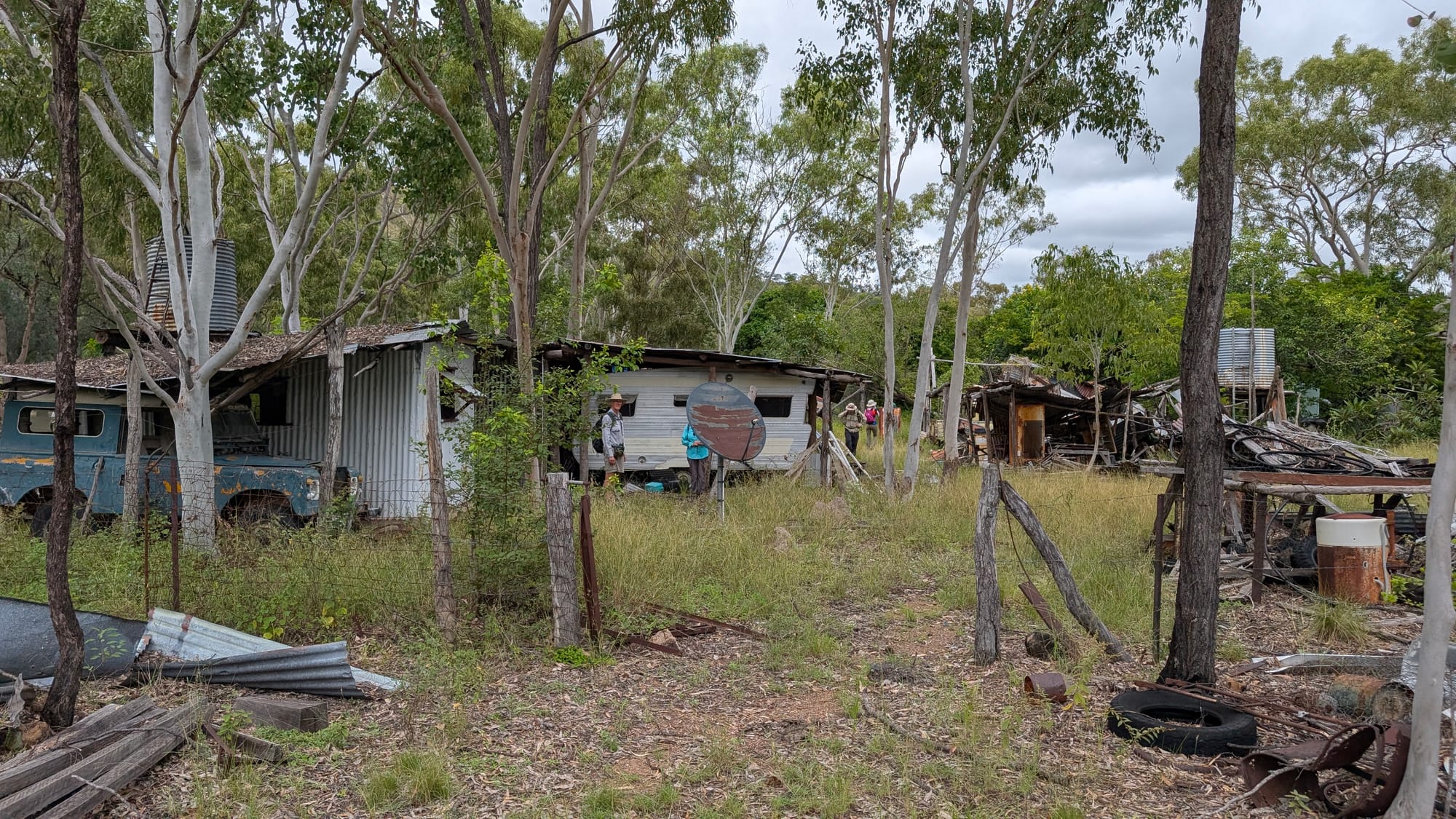
The next morning, we packed up and explored another historic mining settlement area further upstream. This was one of those places where you could really feel the past. There were abandoned houses, rusting vehicles, old household items and white goods, mining machinery, engines, and all manner of relics scattered across the site. Some of the buildings were half-collapsed, and the remains painted a vivid picture of how people once lived, what they used, and what worked out there. We also inspected another battery in this area, though it was much more weathered and had not been restored like the one we visited the previous day.
After lunch, we drove on towards Hidden Valley and another private property where we had permission to access. This involved a few more technical sections for the lower-clearance vehicles, but everyone made it through - with a few minor scrapes. Our second camp was perched on an escarpment above the main gorge, in an open grassy meadow along the ridgeline. It was a beautiful place to spend the night.
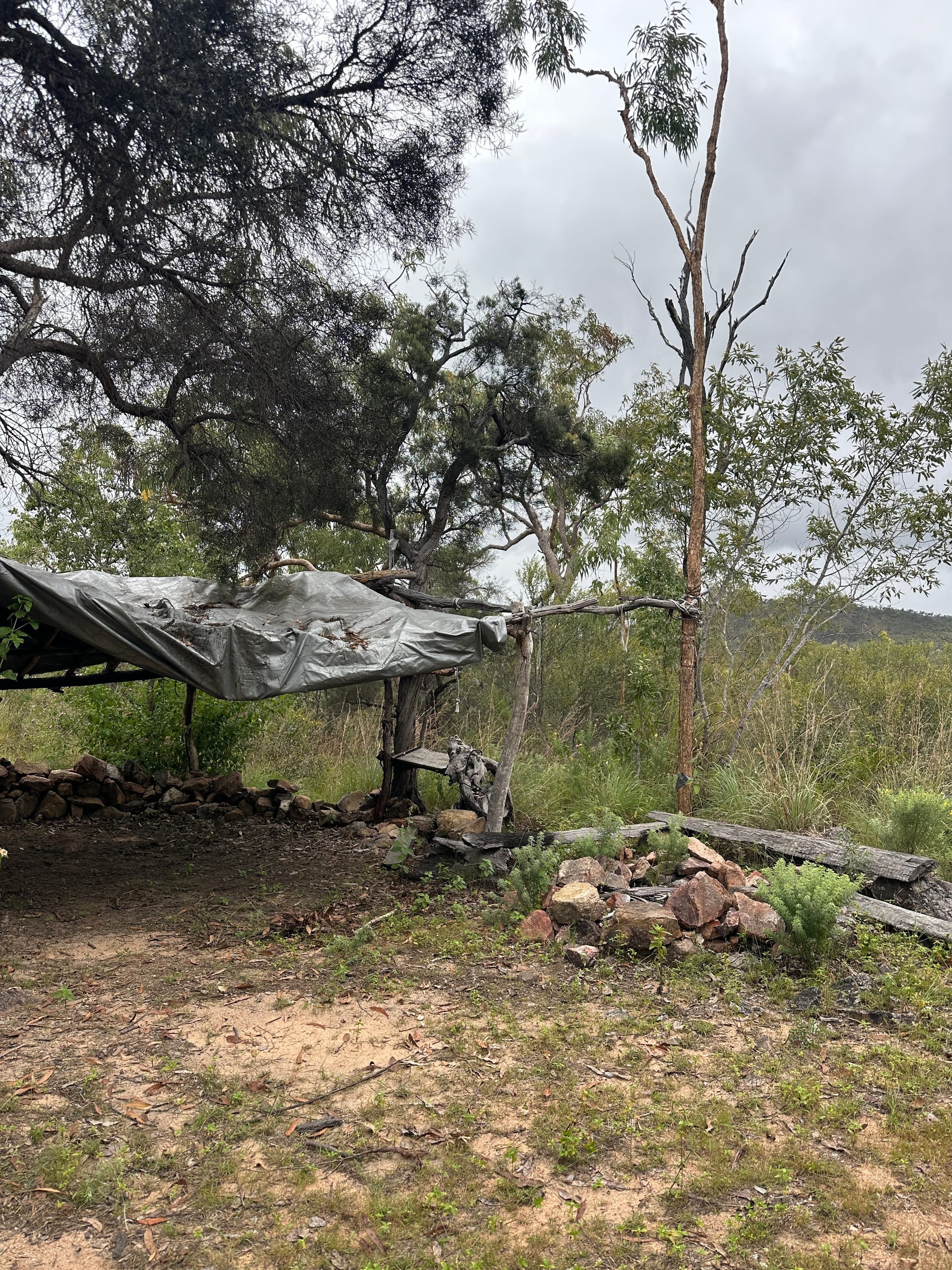
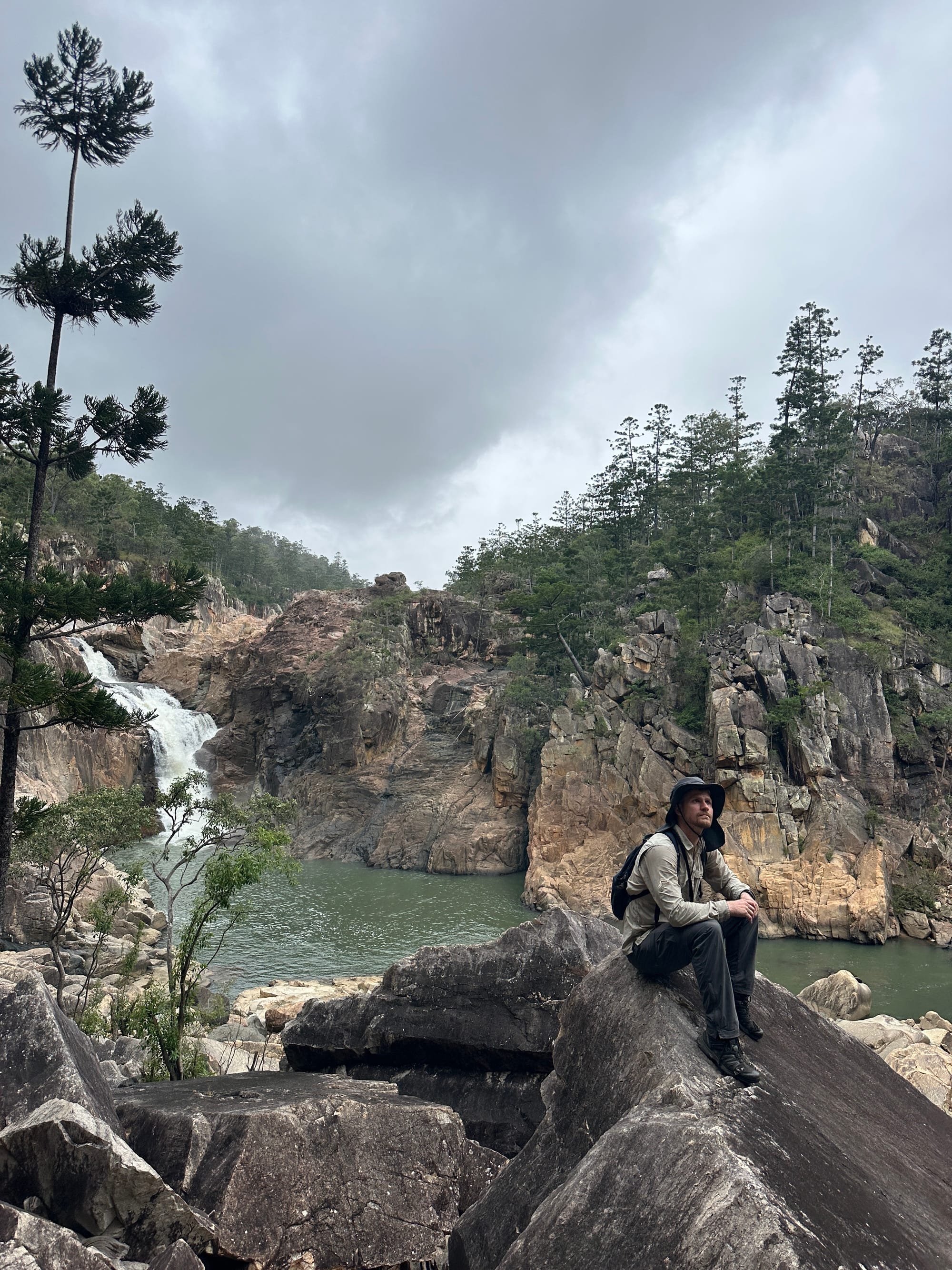
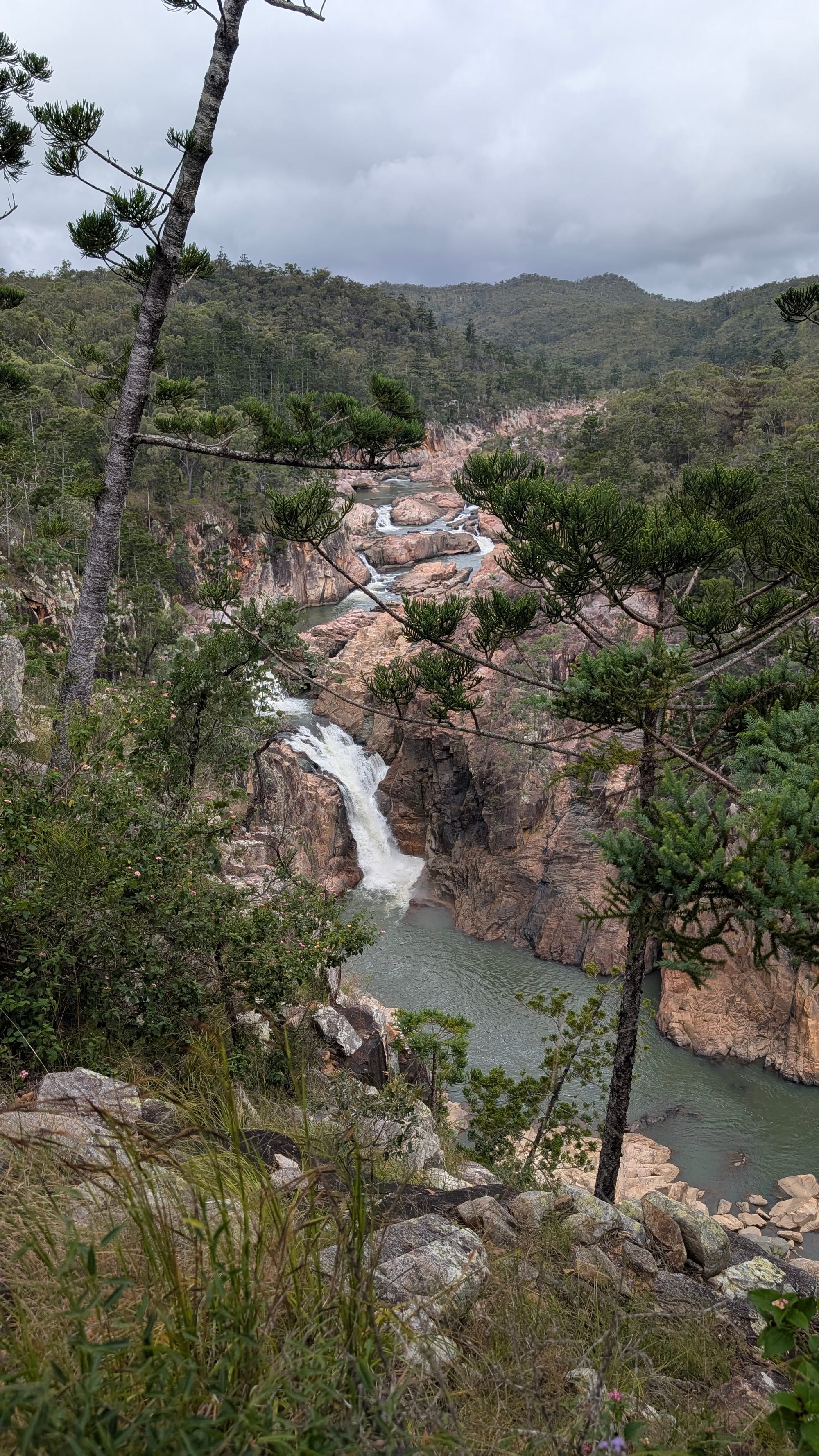
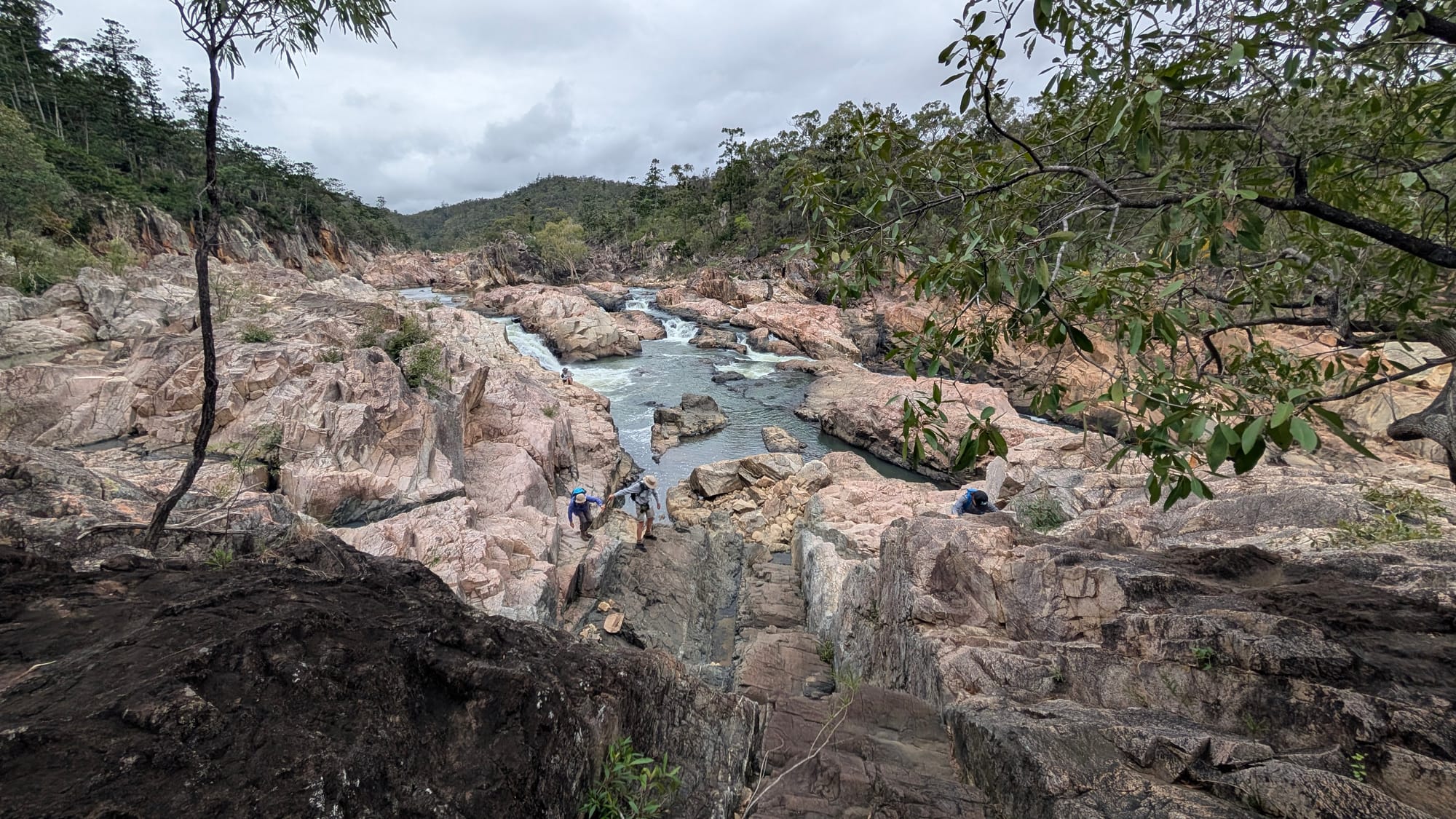
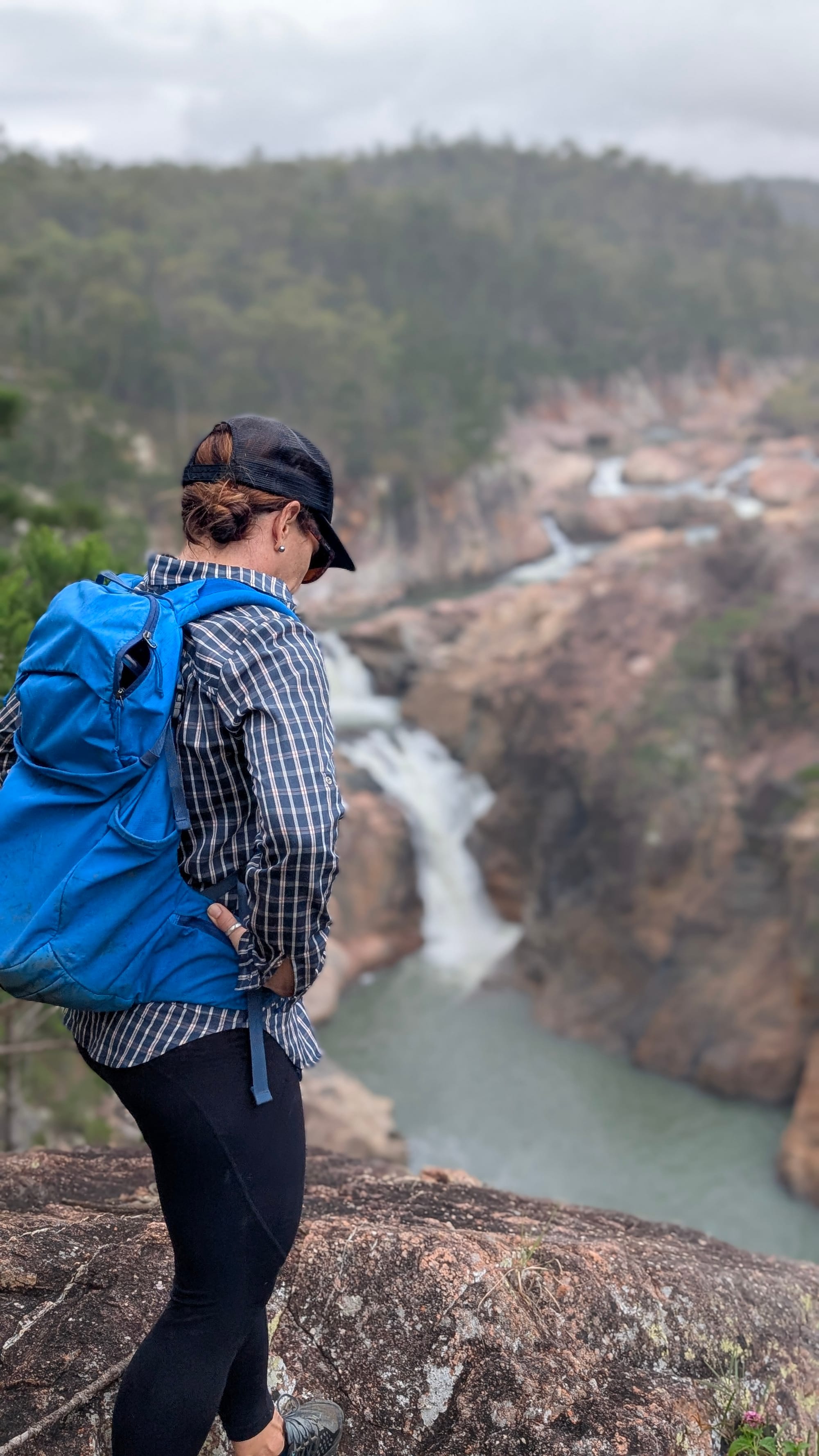
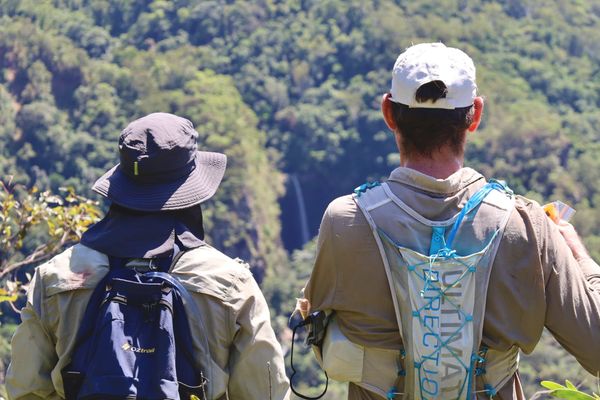
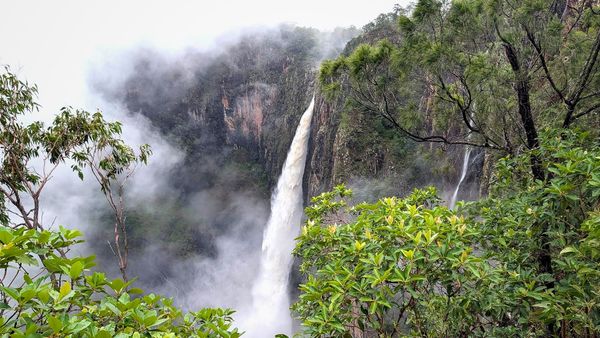
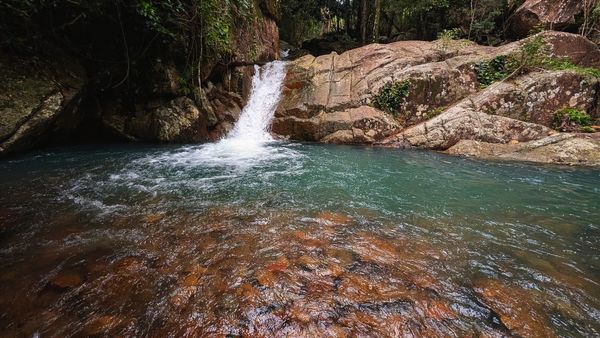
That afternoon, we did a short walk to the top of a large waterfall, another nearby decent lookout, and down to the base, taking in the views over the gorge country below. Some had a swim, and then it rained briefly, so we hurried out back to the cars.
Two members of the group decided to head home that evening rather than camp a second night, while the rest of us settled in for another enjoyable campfire under the stars.
Day 3
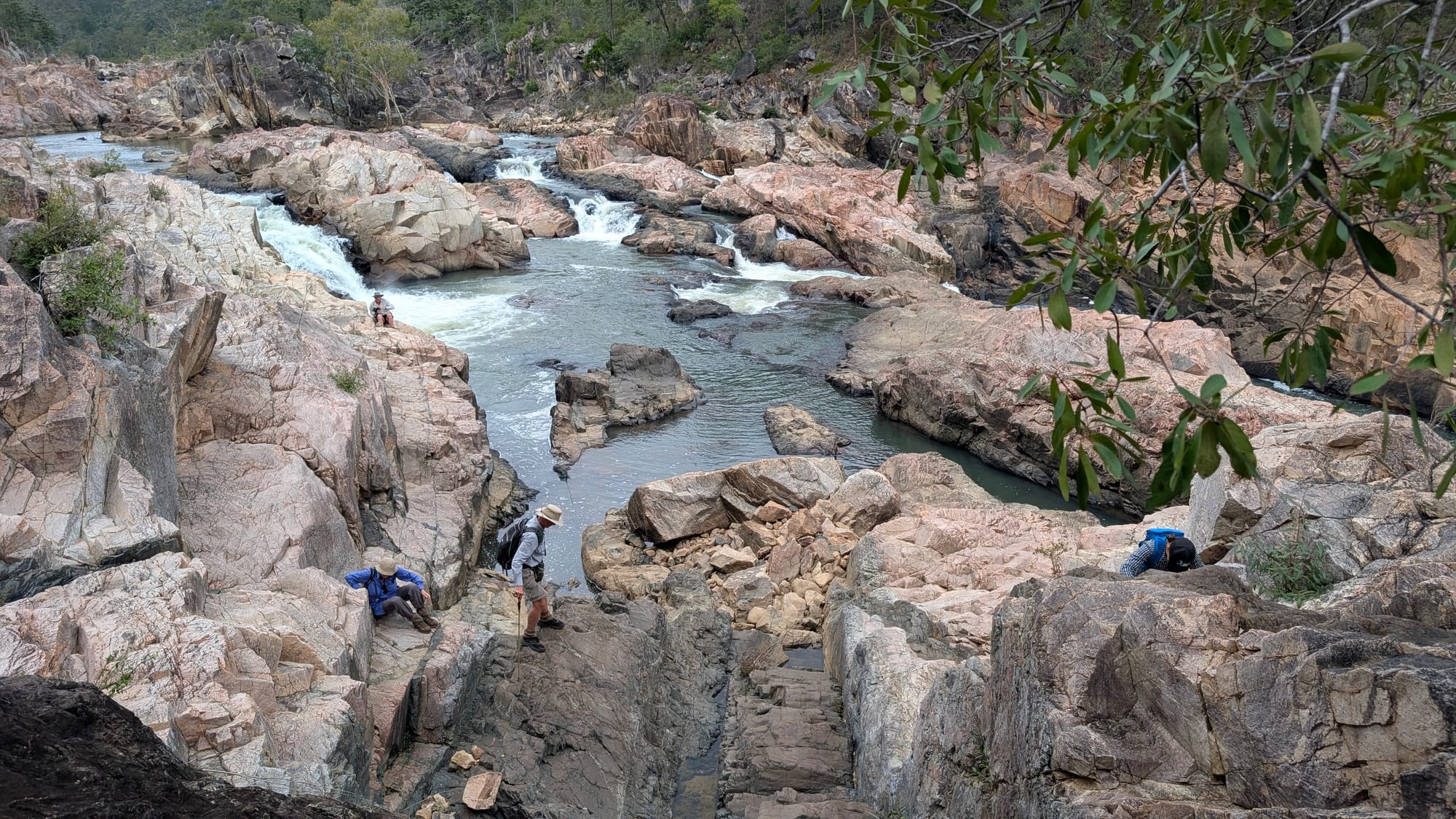
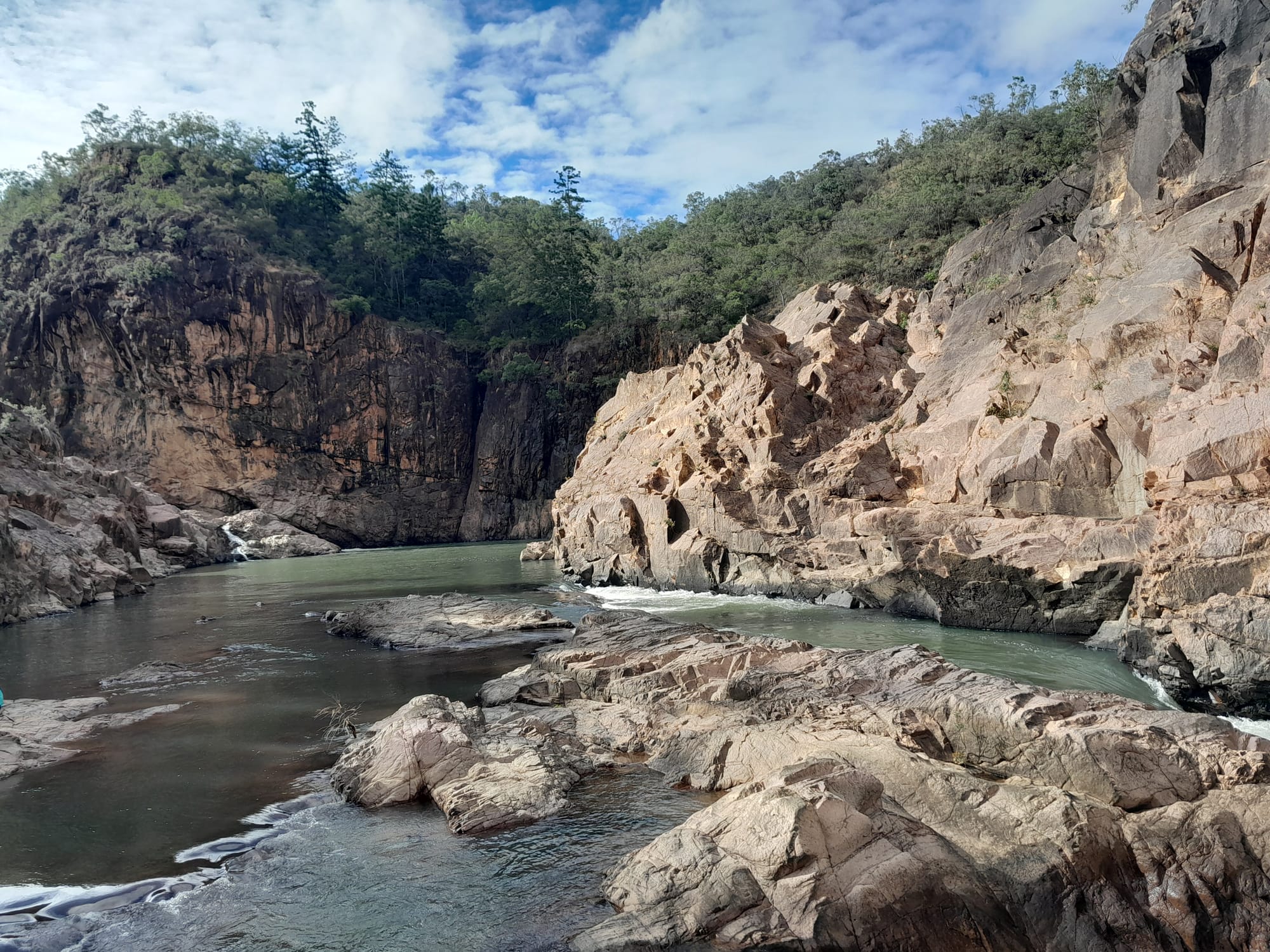
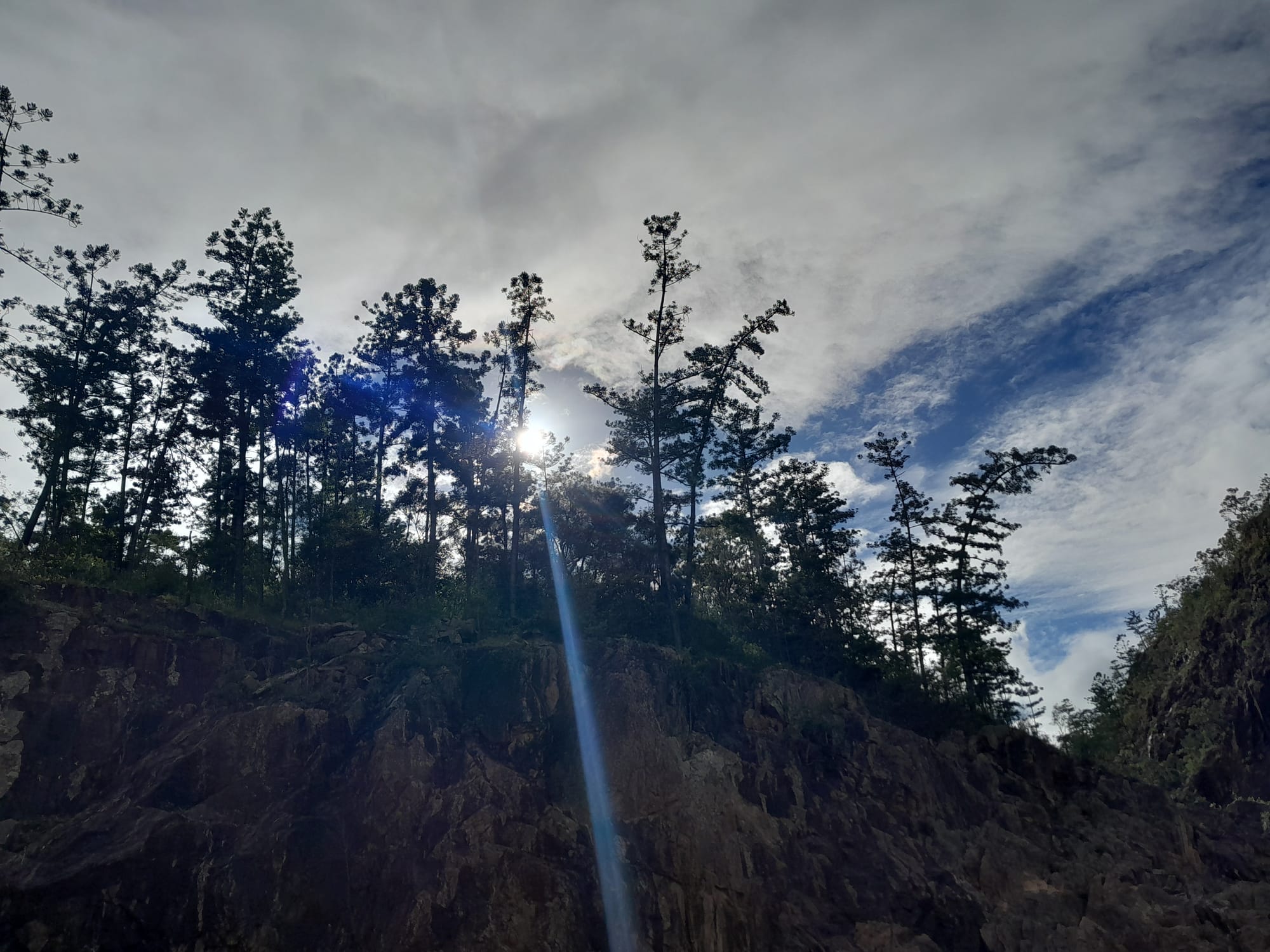
On Sunday morning, the remaining group did one final walk down towards the lower gorge, enjoyed a swim and then headed back to the vehicles. Then began packing up and driving home. It made for a very satisfying three-day Easter weekend, with just enough time left on Monday to recover before heading back to work.
It was a terrific mix of easy bushwalking, dirt roads, historic mining sites, and good company. Luen and Wilfred were especially thrilled to revisit the relics and ruins - even if they had already seen much of it before - while the rest of the group eventually reached peak relic saturation and were probably quite happy to move on from yet another fascinating rusty object.
One important note: these areas are on private property, and access requires prior permission. That is part of what makes trips like this special. The club had permission organised in advance, which allowed us to enjoy these remarkable historic places respectfully and legally. It is also a good reminder of one of the real benefits of being part of a club - access to unique places, local knowledge, and the relationships that make these sorts of trips possible. The wider Kangaroo Hills - Hidden Valley country is historically rich, with old mining settlements, batteries, and relics scattered across private land, so respectful access is essential. Remember to take only photos (and other people's rubbish) and leave only footprints... and, of course, a cleaner environment. Do not damage or take any of these historical relics - they belong to the private property owners.
- Luen